
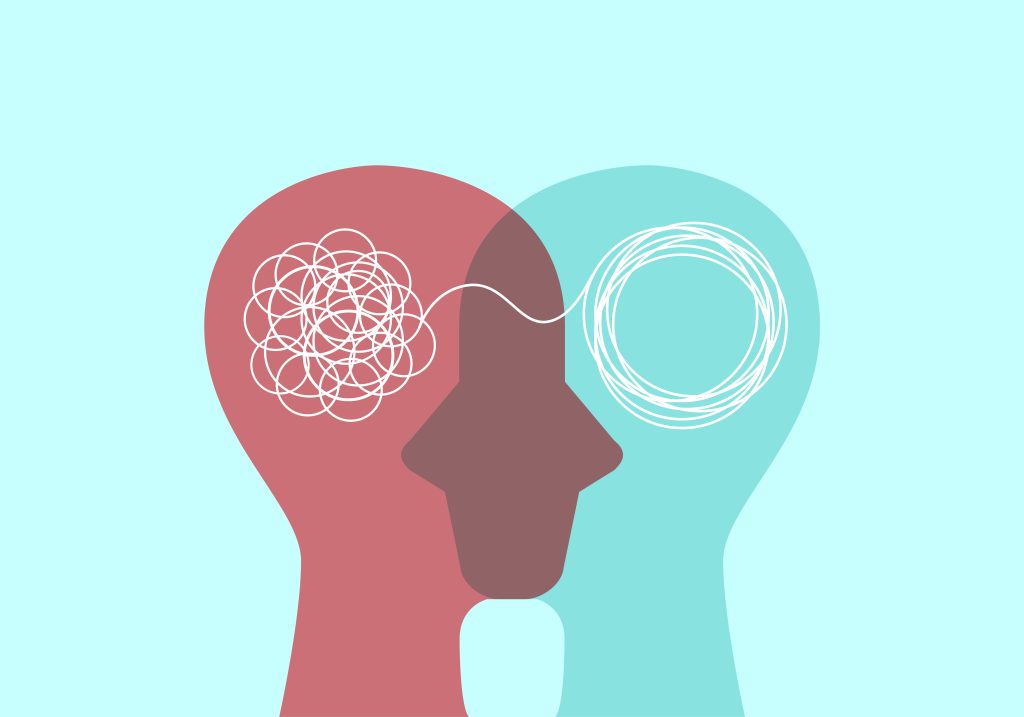
When it comes to treating addiction, a one-size-fits-all approach simply doesn’t work. Many individuals struggling with substance use disorders also face underlying mental health challenges like anxiety, depression, PTSD, or bipolar disorder. This combination of a mental health disorder and substance use disorder is known as dual diagnosis or co-occurring disorders—and it plays a critical role in how treatment should be approached.
What Is Dual Diagnosis?
Dual diagnosis refers to the presence of both a mental health condition and a substance use disorder in the same person. It’s more common than most people think. According to the National Institute on Drug Abuse, about 50% of people with a substance use disorder also suffer from a mental health disorder at some point in their lives.
The link between mental illness and addiction is complex. Sometimes mental health issues lead individuals to self-medicate with drugs or alcohol, while in other cases, chronic substance abuse can trigger or worsen mental health symptoms. Either way, the two conditions become tightly intertwined—making recovery more difficult if both aren’t treated simultaneously.
Why Dual Diagnosis Treatment Is Essential
Treating addiction without addressing the underlying mental health condition is like putting a bandage on a broken bone. It might help temporarily, but it won’t lead to true healing. Here’s why dual diagnosis treatment is so important:
1. Integrated Care for Lasting Recovery
Dual diagnosis treatment focuses on healing both the body and the mind. By integrating mental health therapy with addiction counseling, individuals can uncover the root causes of their addiction and build tools to manage both conditions effectively.
2. Reduced Risk of Relapse
When mental health disorders are left untreated, the risk of relapse increases significantly. Anxiety, depression, or trauma-related symptoms can become overwhelming, often leading individuals back to substance use as a coping mechanism. Treating both conditions reduces this risk.
3. Improved Mental and Emotional Health
Mental health issues don’t just disappear in sobriety. In fact, some symptoms may worsen during early recovery. Dual diagnosis care ensures that emotional struggles are addressed through therapy, medication when necessary, and supportive group work.
4. Personalized, Evidence-Based Treatment
Every individual’s journey with addiction and mental health is unique. Dual diagnosis programs use a personalized approach—often involving psychotherapy, trauma-informed care, psychiatric support, and medication management—to meet each person’s specific needs.
Common Mental Health Conditions Linked to Addiction
While any mental health condition can co-occur with addiction, these are some of the most common:
- Depression
- Anxiety disorders
- Post-traumatic stress disorder (PTSD)
- Bipolar disorder
- Borderline personality disorder
- Schizophrenia
Recognizing and treating these conditions is key to long-term recovery and emotional wellness.
The Right Program Makes All the Difference
Choosing an addiction treatment program that specializes in dual diagnosis can be life-changing. Look for a facility that offers:
- On-site psychiatric evaluation
- Medication management for mental health conditions
- Licensed mental health professionals
- Individual and group therapy
- Trauma-informed care
Final Thoughts: Treat the Whole Person
Recovery is about more than just stopping drug or alcohol use—it’s about healing the whole person. Dual diagnosis treatment gives individuals the best chance at a full, healthy, and meaningful life in recovery. If you or someone you love is struggling with addiction and mental health issues, don’t wait. Seek out a treatment center that understands the importance of dual diagnosis care.