Signs and Symptoms of High Functioning Alcoholism

High functioning alcoholism can exist beneath the surface, hidden behind a successful career, active social life, and outward stability. This is what makes it so difficult to recognize. Someone may appear to “have it all together” while quietly struggling with a dependence on alcohol. Because responsibilities are still being met, the problem can go unnoticed for months or even years—by others and sometimes by the individual themselves. Understanding the signs and symptoms of high functioning alcoholism is an important step toward early intervention. Learn more about our alcohol rehab in Fort Lauderdale or verify your insurance now. What Is High Functioning Alcoholism? High functioning alcoholism is not a formal medical diagnosis, but rather a commonly used term to describe individuals who meet the criteria for alcohol use disorder while still maintaining daily responsibilities. They may excel at work, maintain relationships, and appear stable on the outside. However, this outward success can mask a deeper issue. Alcohol may still be playing a central role in their life—impacting physical health, emotional stability, and decision-making over time. Because there is no immediate “crisis,” individuals with high functioning alcoholism often delay seeking help. This delay can allow the problem to progress, making it harder to address later on. Common Signs of High Functioning Alcoholism One of the defining characteristics of high functioning alcoholism is the ability to maintain a sense of normalcy while drinking regularly or heavily. The signs are often subtle but consistent. Some common indicators include: Because these behaviors may seem socially acceptable in certain environments, they can be easy to overlook. Emotional and Behavioral Symptoms of High Functioning Alcoholism Beyond drinking patterns, high functioning alcoholism often shows up in emotional and behavioral ways. These signs may be less visible but can have a significant impact on quality of life. Individuals may experience: Over time, alcohol can become less about enjoyment and more about maintaining a sense of balance or avoiding discomfort. Maintaining Responsibilities While Struggling One of the reasons high functioning alcoholism is so difficult to identify is that individuals often continue to meet their responsibilities. They may perform well at work, maintain friendships, and fulfill family obligations. However, this doesn’t mean alcohol isn’t having an impact. In many cases, individuals are working harder to maintain this appearance of stability, which can lead to burnout and emotional exhaustion. Some subtle signs in this area include: These patterns often signal that alcohol is playing a larger role than it should. Physical Signs and Health Effects Even when someone appears outwardly healthy, high functioning alcoholism can still affect the body. Physical symptoms may develop gradually and become more noticeable over time. Common physical signs may include: Long-term alcohol use can also increase the risk of more serious health conditions, including liver disease, heart problems, and weakened immune function. Because these symptoms can be attributed to other factors like stress or lifestyle, they are often overlooked in the early stages. Denial and Rationalization A key component of high functioning alcoholism is denial. Because life may still appear manageable, individuals often convince themselves that their drinking isn’t a problem. This can sound like: Rationalization can make it difficult to recognize when alcohol use has crossed the line into dependence. It can also delay important conversations about seeking help. When High Functioning Becomes High Risk Over time, high functioning alcoholism can progress into more severe alcohol use disorder. What once felt manageable can begin to affect more areas of life, including relationships, mental health, and physical well-being. Signs that the situation may be escalating include: At this stage, professional support becomes increasingly important. Why Early Recognition Matters The earlier high functioning alcoholism is recognized, the easier it is to address. Waiting until there are major consequences can make recovery more challenging. Seeking help early allows individuals to: At James Club Treatment Center, treatment is tailored to meet individuals where they are—whether they are just beginning to question their drinking or are ready for a more structured recovery program. Begin Addiction Treatment in South Florida Today If you or someone you care about may be experiencing signs of high functioning alcoholism, you’re not alone. It’s possible to maintain the appearance of control while still struggling internally—but help is available. James Club Treatment Center provides compassionate, individualized care for those facing alcohol use challenges. Located in Wilton Manors, Florida, the center offers a supportive environment where individuals can explore their relationship with alcohol and begin the path toward recovery. Reaching out doesn’t mean something is “wrong”—it means you’re taking a step toward clarity, balance, and long-term well-being. Contact James Club Treatment Center today to learn more about your options.
Marchman Act vs Baker Act: What’s The Difference

When a loved one is struggling with addiction or a mental health crisis, families are often left wondering what options they have—especially when that person is unwilling or unable to seek help on their own. In Florida, two legal tools are commonly used in these situations: the Marchman Act and the Baker Act. At first glance, these two laws may seem similar. Both allow for involuntary intervention when someone is at risk. However, they serve very different purposes and are used in different types of situations. Understanding the difference between the Marchman Act vs Baker Act is essential for families trying to make informed decisions during a crisis. At James Club Treatment Center, we work closely with individuals and families navigating these complex situations. Knowing when and how to use each option can help ensure your loved one receives the appropriate care and support. Learn more about our South Florida Addiction Treatment Programs or call us now at 954-445-0430. What Is the Marchman Act? The Marchman Act is a Florida law specifically designed to help individuals struggling with substance abuse or addiction. It allows family members, loved ones, or professionals to petition the court to require someone to undergo assessment, stabilization, and potentially treatment—even if they refuse help. This law is often used when someone’s substance use has reached a point where they are no longer able to make safe or rational decisions about their well-being. The goal is not punishment, but intervention—providing a pathway to treatment when voluntary options are no longer effective. In many cases, the Marchman Act is considered when a person: The process typically begins with a court petition, followed by an evaluation period and, if necessary, a court-ordered treatment plan. What Is the Baker Act? The Baker Act, on the other hand, is focused on mental health crises, not substance use alone. It allows for the involuntary examination of an individual who may be experiencing a severe psychiatric episode and is at risk of harming themselves or others. Under the Baker Act, a person can be temporarily detained—usually for up to 72 hours—for psychiatric evaluation. This can be initiated by law enforcement, medical professionals, or a judge. Situations where the Baker Act may apply include: The purpose of the Baker Act is immediate stabilization and evaluation, not long-term treatment. After the evaluation period, healthcare professionals determine whether further care is needed. Key Differences Between the Marchman Act and Baker Act While both laws are designed to protect individuals in crisis, the Marchman Act and Baker Act serve distinct roles. Understanding their differences can help families choose the right course of action. Here are the most important distinctions: Although these laws are different, there are situations where both mental health and substance use are involved. In those cases, determining the appropriate path can be more complex. When Addiction and Mental Health Overlap It’s important to recognize that addiction and mental health are often deeply connected. Many individuals struggling with substance use are also dealing with a dual diagnosis condition such as depression, anxiety, or trauma. In these situations, families may feel unsure whether the Marchman Act or Baker Act is more appropriate. The answer often depends on the primary risk at the moment: In some cases, individuals may go through both processes at different times. What matters most is ensuring they receive the care that addresses both aspects of their condition. The Role of Treatment After Intervention Whether someone enters care through the Marchman Act or Baker Act, the next step is critical: ongoing treatment and support. Intervention alone is not enough to create lasting change. Recovery requires a structured plan that addresses both the physical and emotional aspects of addiction or mental health challenges. Effective treatment often includes: At James Club Treatment Center, treatment is designed to meet individuals where they are—whether they arrive voluntarily or through intervention. The focus is on creating a supportive environment where long-term recovery is possible. Why Understanding These Laws Matters For families, knowing the difference between the Marchman Act vs Baker Act can make a significant difference during a crisis. Acting quickly—and choosing the right approach—can help prevent harm and open the door to treatment. These laws exist to provide a safety net when someone is unable to seek help on their own. While the process can feel overwhelming, it is often a turning point that leads individuals toward recovery. Understanding your options allows you to act with clarity and confidence during difficult moments. Begin Addiction Treatment in South Florida If you are considering the Marchman Act or Baker Act for a loved one, you don’t have to navigate this process alone. Knowing which path to take—and what happens next—can feel overwhelming, but support is available. James Club Treatment Center provides compassionate, individualized care for those struggling with addiction and co-occurring mental health conditions. Located in Wilton Manors, Florida, the center helps individuals transition from crisis to stability and long-term recovery. If you need guidance, have questions, or are ready to take the next step, reach out today. Help is available, and recovery is possible.
Sober Living vs Halfway House: What’s The Difference?
If you’ve been researching sober living vs halfway house options, you’ve likely come across both terms and wondered what the difference is. While they may seem similar on the surface, sober living homes and halfway houses serve different purposes, operate under different structures, and are designed for different stages of recovery. Understanding these differences can help individuals and families make more informed decisions about what type of support is needed after treatment. At James Club Treatment Center, we offer sober living near Fort Lauderdale. Call us now at 954-445-0430 or verify your insurance. What Is a Sober Living Home? A sober living home is a structured, substance-free living environment designed for individuals who are committed to maintaining sobriety after completing treatment. These homes are often privately operated and provide a supportive, community-based setting where residents can continue building healthy habits. Sober living homes are typically less restrictive than inpatient rehab but still offer accountability. Residents are expected to follow house rules, which often include maintaining sobriety, attending recovery meetings, contributing to household responsibilities, and respecting other residents. One of the key benefits of sober living is the balance it provides. Individuals can return to work, attend school, and rebuild their lives while still having the support of a recovery-focused environment. What Is a Halfway House? A halfway house is also a transitional living environment, but it is usually more structured and often connected to the criminal justice system. Many halfway houses serve individuals who are transitioning out of incarceration, court-ordered treatment, or other supervised programs. Halfway houses are typically government-funded or state-regulated and tend to have stricter rules and oversight. Residents may be required to follow curfews, attend mandatory programs, submit to drug testing, and comply with legal or probation-related requirements. Unlike sober living homes, halfway houses often have a defined length of stay and may be part of a mandated recovery or reintegration plan. Key Differences Between Sober Living vs Halfway Houses While both options support recovery, the differences between sober living homes vs halfway houses are important to understand. These differences often determine which environment is the best fit for an individual’s situation. Here are some of the main distinctions: Understanding these differences can help individuals choose the environment that best supports their recovery goals. Which Option Is Better for Recovery? There isn’t a one-size-fits-all answer when it comes to choosing between a sober living home and a halfway house. The right choice depends on an individual’s needs, history, and level of independence in recovery. For someone who has completed an addiction treatment program and is motivated to maintain sobriety, a sober living home often provides the right balance of support and independence. It allows individuals to practice real-world responsibilities while staying connected to a recovery community. On the other hand, individuals who require more structure, accountability, or legal supervision may benefit more from a halfway house environment. In many cases, people move through both types of environments at different stages of recovery. What matters most is finding a setting that supports long-term stability and growth. The Role of Aftercare in Long-Term Sobriety Recovery doesn’t stop when treatment ends. In fact, the transition period after rehab is often one of the most vulnerable times for relapse. That’s why aftercare planning—including housing, therapy, and ongoing support—is so important. Both sober living homes and halfway houses can play a role in aftercare, but they are most effective when combined with additional support such as: At James Club Treatment Center, aftercare is not treated as an afterthought. The goal is to help each individual create a sustainable recovery plan that includes the right environment, support system, and resources needed for long-term success. Why Environment Matters in Recovery One of the most overlooked aspects of recovery is environment. Returning to a setting that includes triggers, unhealthy relationships, or easy access to substances can make it much harder to stay sober. Supportive housing options like sober living homes and halfway houses provide a buffer during this transition. They offer a space where individuals can focus on recovery, build routines, and develop confidence in their ability to maintain sobriety. Being surrounded by others who are also committed to recovery can create a sense of accountability and shared understanding that is difficult to replicate elsewhere. Begin Addiction Treatment in South Florida Today If you or someone you love is navigating life after addiction treatment, choosing the right next step is crucial. Understanding the difference between sober living and halfway houses is just one part of building a strong foundation for recovery. James Club Treatment Center, also known as James Club Recovery, offers personalized treatment and aftercare support designed to meet individuals where they are. Located in Wilton Manors, Florida, the center focuses on helping clients transition from treatment into sustainable, long-term recovery. Whether you’re exploring treatment options or planning your next step after rehab, support is available. Reach out today to learn more about how James Club Treatment Center can help you move forward with confidence.
2026 Florida Substance Abuse Statistics

Florida is known for its vibrant cities, beautiful coastline, and growing population. But alongside these positive developments, the state continues to face serious challenges related to drug and alcohol misuse. Looking at 2026 Florida substance abuse statistics helps paint a clearer picture of how addiction is affecting communities across the state and why access to treatment remains critically important. Florida has one of the largest populations in the United States, with more than 22 million residents, and the scale of substance use issues reflects that size. Approximately 8% of Florida citizens are using illicit drugs at any given time, equating to about 1.5 million Floridians. Public health data consistently shows thousands of overdose deaths each year, along with tens of thousands of individuals entering treatment for substance use disorders. At James Club Treatment Center, understanding these statistics is about more than just numbers. Each statistic represents a real person facing the challenges of addiction. By combining compassionate care with evidence-based treatment programs, the center works to help individuals across Florida begin the path toward lasting recovery. Learn more about our Fort Lauderdale addiction treatment programs or verify your insurance. Understanding Substance Abuse Trends in Florida Recent reports show that substance use continues to affect a significant portion of Florida’s population. According to statewide health data, about 410,000 individuals suffered from illicit drug dependence within the last year and over 7,500 drug overdose deaths were reported in Florida in recent years, placing the state among those with the highest number of overdose fatalities nationwide. A large portion of these deaths are tied to opioids and synthetic drugs such as fentanyl. In fact, fentanyl has become one of the leading contributors to overdose deaths, involved in more than half of all drug-related fatalities in Florida. Because fentanyl is extremely potent and often mixed with other substances, even small amounts can dramatically increase the risk of overdose. Beyond overdose deaths, substance use impacts healthcare systems, emergency services, and families across the state. Each year, Florida hospitals treat tens of thousands of emergency room visits related to drug misuse, while treatment centers see a steady stream of individuals seeking help for alcohol and drug dependence. Several factors influence substance use patterns in Florida, including: These combined influences make addiction treatment services especially important throughout the state. Alcohol Use in Florida Although much of the public conversation around addiction focuses on illicit drugs, alcohol remains one of the most widely misused substances in Florida. Surveys indicate that more than 17% of adults in Florida report binge drinking within a 30-day period, which is defined as consuming a large quantity of alcohol in a short amount of time. Alcohol-related issues contribute to thousands of hospitalizations each year. Excessive drinking is also linked to increased rates of liver disease, impaired driving accidents, and long-term health complications. Alcohol use disorder often develops gradually, which can make it difficult for individuals to recognize when casual drinking becomes problematic. Warning signs can include: Because alcohol is widely available and socially accepted, people may delay seeking help even when the problem becomes severe. Opioid and Prescription Drug Abuse The opioid crisis has significantly impacted Florida over the past decade. Prescription pain medications such as oxycodone and hydrocodone have historically played a major role in opioid addiction across the state. Although regulations on prescribing practices have improved in recent years, opioid misuse remains a major public health concern. Recent data shows that over 5,000 opioid-related deaths occur annually in Florida, with synthetic opioids like fentanyl accounting for a large share of those fatalities. Fentanyl is estimated to be 50 times stronger than heroin, which explains why even a small amount can lead to fatal overdose. Opioid addiction often begins with legitimate prescriptions following surgery or injury. Over time, some individuals develop dependence, leading them to misuse prescription medications or seek out illicit opioids when prescriptions run out. Common indicators of opioid misuse may include: Medical detox and structured treatment programs are often necessary to safely address opioid dependence. Cocaine and Methamphetamine Use Stimulant drugs also play a role in Florida’s substance abuse landscape. Cocaine has historically been prevalent in the state due in part to trafficking routes along the southeastern United States. Recent reports estimate that nearly 20% of drug overdose deaths in Florida involve cocaine, either alone or in combination with other substances. Methamphetamine use has also increased in certain regions of the state, contributing to rising emergency room visits and addiction treatment admissions. Long-term stimulant use can cause serious health effects, including heart complications, anxiety, paranoia, and severe sleep disruption. Because stimulant drugs create strong psychological dependence, professional treatment and behavioral therapy are often essential for recovery. Substance Abuse and Mental Health in Florida Many individuals struggling with addiction are also dealing with mental health conditions. Research suggests that millions of Americans experience both substance use disorders and mental health disorders simultaneously, and Florida reflects this national trend. Conditions such as depression, anxiety, and trauma frequently occur alongside addiction. When these challenges are not addressed together, recovery can be more difficult to maintain. Dual diagnosis treatment programs focus on addressing both mental health concerns and substance use at the same time. This integrated approach allows individuals to develop healthier coping strategies and better understand the emotional factors that may contribute to substance use. Why Access to Treatment Matters Statistics highlight the scale of substance abuse in Florida, but they also point to an important opportunity: expanding access to treatment can save lives. Each year, thousands of people enter recovery programs and successfully rebuild their lives. Treatment programs often combine several forms of care, including medical detox, therapy, peer support, and relapse prevention planning. Structured treatment environments help individuals step away from triggers while developing healthier coping mechanisms. At James Club Treatment Center, recovery programs are designed to address both the physical and emotional aspects of addiction. Located in Wilton Manors, the center offers supportive treatment services that help individuals regain stability and move forward with confidence. Find Rehab in
20 Celebrities Who Embraced Sobriety in 2024: Inspiring Journeys Toward Recovery

At James Club Treatment Center in Wilton Manors, Florida, we believe in celebrating the courage it takes to walk the path of sobriety. In 2024, several celebrities stepped forward to share their recovery stories—proving that addiction does not discriminate and that healing is possible no matter who you are. These stories offer hope, reduce stigma, and highlight the strength it takes to break free from addiction. Whether you’re battling substance abuse or supporting a loved one in recovery, these journeys can inspire your own. 💬 Why Celebrity Sobriety Matters Celebrities often live under immense pressure and public scrutiny. When they choose to speak openly about addiction and recovery, they help normalize the conversation. Their stories empower others to seek help and affirm that sobriety is not just achievable—it’s transformative. Below are 20 celebrities who publicly revealed their sobriety or celebrated major recovery milestones in 2024. 🧠 20 Celebrities Who Went Sober or Celebrated Recovery in 2024 1. Liz Lee The former My Life as Liz star revealed she spent her MTV earnings on drugs. In 2024, she proudly shared that she was nine months sober and now uses her story to educate others. 2. Jax Taylor The Vanderpump Rules alum disclosed a 22-year battle with cocaine addiction. In early 2024, he announced he was 83 days sober and committed to healing. 3. Jordan Stephens The British rapper and actor was controversially dropped from a non-alcoholic campaign for being “too sober.” In response, he emphasized his dedication to sobriety and mental health. 4. Marcus King The Grammy-nominated musician shared that quitting alcohol helped him regain confidence. He continues to grow musically and personally. 5. Anne Hathaway The actress confirmed in April 2024 that she had surpassed five years of sobriety, attributing it to a healthier and more peaceful life. 6. Jamie Lee Curtis This iconic actress marked 25 years sober in 2024 and continues to advocate for addiction recovery with authenticity and heart. 7. Chet Hanks Son of Tom Hanks, Chet proudly celebrated two years sober and remains vocal about the spiritual and emotional aspects of recovery. 8. Tom Holland Known for his role as Spider-Man, Holland stayed alcohol-free in 2024 and even launched a non-alcoholic beer brand to promote sober living. 9. Jessica Simpson She celebrated seven years sober in late 2024, sharing how recovery helped her reclaim her voice, life, and self-worth. 10. Miley Cyrus Cyrus continued her sober lifestyle, saying it supports her vocal health and mental clarity. 11. Cara Delevingne The model and actress maintained sobriety in 2024, openly discussing how it allows her to enjoy life and creativity more fully. 12. Florence Welch The lead singer of Florence + The Machine celebrated eight years sober, calling it “the best decision” of her life. 13. Demi Lovato Now two and a half years sober, Lovato appeared at major 2024 events promoting recovery and speaking out against stigma. 14. Jack Harlow Marked three years alcohol-free, emphasizing how sobriety improved his personal and professional life. 15. Queen Latifah Honored her 22nd sober year, reflecting on the strength and discipline sobriety has taught her. 16. Lana Del Rey She continued her long-term sobriety with 21 years alcohol-free, standing as a quiet but powerful advocate for recovery. 17. Nicki Minaj Celebrated one year sober in April 2024, calling it a game-changer for her health and clarity. 18. Zendaya While never heavily involved in alcohol use, Zendaya confirmed she remains sober and chooses to live without alcohol entirely. 19. Anthony Hopkins The legendary actor marked 49 years sober in 2024. His reflection on recovery is both humbling and deeply motivating. 20. Margaret Cho Celebrated over 8 years sober, using humor and honesty to highlight the value of sobriety and self-love. 💡 What You Can Learn from These Stories If you’re struggling with addiction, or if someone you love is in need of support, James Club Treatment Center is here for you. We offer spiritually based, medically supported, and community-driven treatment in the heart of Wilton Manors, Florida. 🔗 Sources: Ready to start your recovery journey?📞 Call James Club Treatment Center today. Your healing starts now.
Breaking the Stigma: Addiction, Sobriety, and the Courage to Heal

Addiction Stigma: A Silent Barrier to Healing In today’s world, millions of people are battling addiction—but far too many suffer in silence. Why? Because of stigma. The shame, judgment, and misunderstanding surrounding addiction and sobriety often keep people from getting the help they need. At James Club Treatment Center in Wilton Manors, FL, we believe it’s time to replace stigma with truth, compassion, and grace—so individuals can heal without fear of rejection. What Is Addiction Stigma? Addiction stigma is the negative belief that people struggling with substance use are morally weak, selfish, or hopeless. These harmful labels lead to: Stigma not only affects those currently struggling—it also follows people into sobriety, casting a shadow over even the most courageous healing journeys. Common Myths That Fuel Stigma Let’s break down a few damaging myths: 🚫 Myth #1: “Addiction is a choice.”✅ Truth: Addiction is a chronic brain disease that alters decision-making and impulse control. 🚫 Myth #2: “You should be able to quit if you really want to.”✅ Truth: Recovery takes more than willpower—it requires support, structure, and healing from the inside out. 🚫 Myth #3: “People in recovery can’t be trusted.”✅ Truth: People in recovery are often the most honest, resilient, and accountable members of society. 🚫 Myth #4: “You’re not ‘sick’ if it’s alcohol or pills.”✅ Truth: Prescription drugs and alcohol can be just as destructive—and deadly—as illicit substances. The Stigma of Sobriety Even after getting clean, many people in recovery feel judged, misunderstood, or excluded—especially in social settings where drinking or drug use is normalized. People may ask: These questions, even if unintentional, can reopen old wounds and make sober individuals feel like outsiders. At James Club, we say this: Sobriety is not something to hide—it’s something to honor. How Faith and Community Fight Stigma At James Club Treatment Center, we offer a spiritually based recovery program built on the belief that every person is worthy of love, dignity, and redemption—regardless of their past. Through structured care, 12-Step integration, and faith-driven mentorship, we help our clients: 5 Ways to Help Break the Stigma Recovery Is Brave. Sobriety Is Sacred. If you or someone you love is facing addiction, know this: you are not broken. You are not weak. You are human—and you deserve healing. At James Club, we offer a safe, structured, faith-based environment where recovery isn’t just possible—it’s celebrated.
Meth Psychosis: What It Is, Why It Happens, and How to Find Help
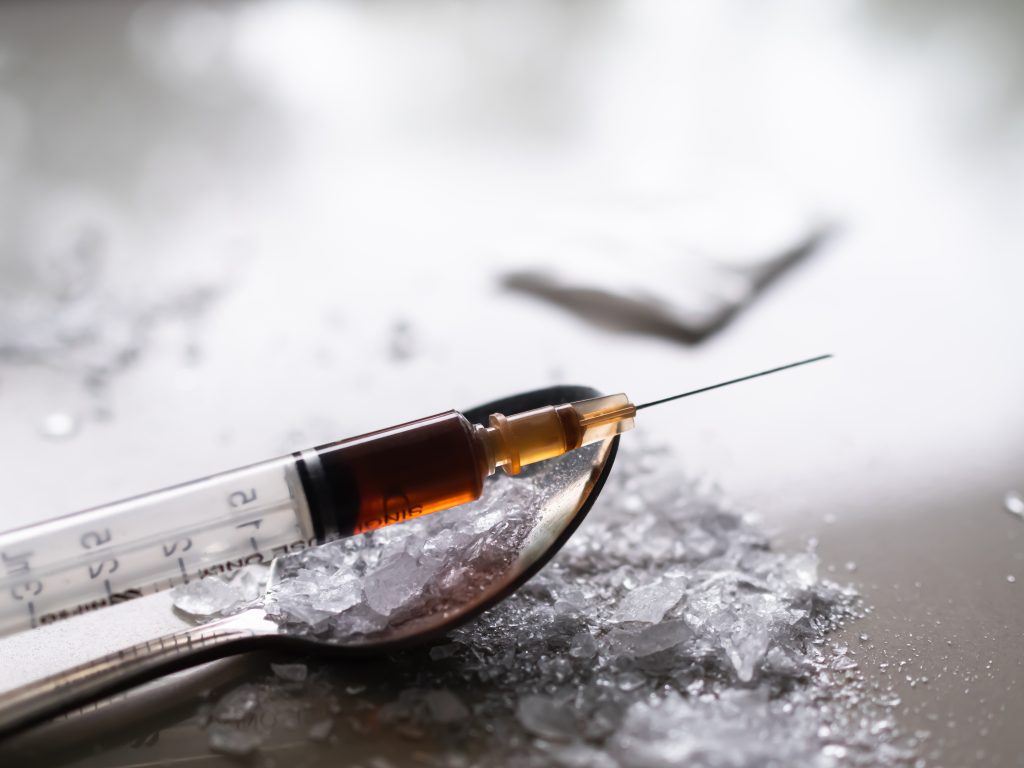
The Dark Side of Meth: Understanding Methamphetamine-Induced Psychosis Methamphetamine is one of the most dangerous and addictive stimulants on the street today. While it’s known for producing intense euphoria and energy, long-term use can lead to a frightening and often life-altering condition called meth psychosis. At James Club Treatment Center in Wilton Manors, FL, we’ve seen firsthand how meth damages not just the body—but also the mind and spirit. Understanding meth-induced psychosis is key to getting the right help, before it’s too late. What Is Meth Psychosis? Meth psychosis is a severe psychiatric condition triggered by meth use. It causes individuals to lose touch with reality—experiencing intense paranoia, hallucinations, and delusions. This condition can develop in chronic users, but it can also occur after only a few binges, especially with high doses or sleep deprivation. Common Symptoms of Meth Psychosis: These symptoms can last for hours, days, or even weeks, and in some cases, psychosis may continue even after meth use stops. What Causes Meth Psychosis? Meth floods the brain with dopamine, disrupting natural brain chemistry. Over time, the brain becomes overstimulated and unbalanced, leading to: These changes can cause the brain to misfire, creating distorted thoughts, hallucinations, and erratic behavior. Is Meth Psychosis Permanent? In most cases, meth psychosis can be reversed—but early intervention is critical. The longer someone stays in active addiction, the greater the risk that psychotic symptoms will persist even after stopping meth. Some individuals may develop long-term mental illness or require ongoing psychiatric care after recovery. How James Club Treatment Center Helps At James Club, we provide structured, spiritually based care for individuals suffering from meth addiction and its psychological effects. Our program includes: ✅ Medical supervision during detox to ensure safety✅ Dual diagnosis treatment for co-occurring mental health disorders✅ Faith-based counseling and 12-Step work to restore spiritual balance✅ Trauma-informed care to address underlying emotional wounds✅ Long-term sober living with accountability and community✅ MAT-certified care for eligible clients needing medication support We understand the fear and chaos that meth psychosis brings—and we offer a path back to peace, clarity, and spiritual purpose. A Word of Hope If someone you love is acting paranoid, delusional, or increasingly erratic after meth use, they are not just “high”—they may be in a state of meth-induced psychosis, and they need help now. There is no shame in seeking treatment. At James Club, we don’t judge—we walk with you toward healing. Get Help Today If you or someone you know is struggling with meth addiction or meth psychosis, call us today. We’ll provide the support, structure, and spiritual care needed to recover and rebuild.
Fetal Alcohol Syndrome and Addiction: Understanding the Lifelong Impact of Prenatal Alcohol Exposure
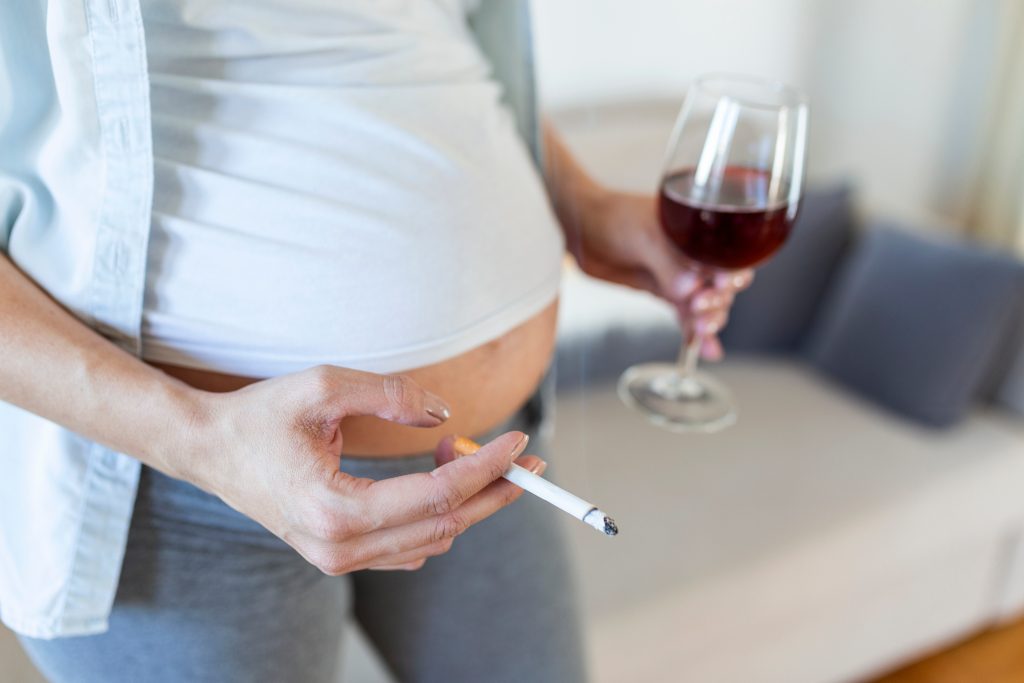
What Is Fetal Alcohol Syndrome? Fetal Alcohol Syndrome (FAS) is a lifelong condition caused by alcohol exposure in the womb. When a pregnant woman drinks, the alcohol passes through the placenta and directly affects the baby’s developing brain, nervous system, and organs. FAS is part of a group of disorders known as Fetal Alcohol Spectrum Disorders (FASD). These conditions can lead to: While FAS is 100% preventable, it continues to affect thousands of children in the United States each year—including right here in Florida. The Link Between FAS and Addiction Children born with FAS face unique challenges as they grow—and one of the most serious is an increased risk for substance use and addiction in adolescence and adulthood. Here’s why: 1. Impaired Judgment and Impulse Control FAS affects the prefrontal cortex, which is responsible for decision-making, risk assessment, and self-control. This makes individuals more vulnerable to experimenting with drugs or alcohol—and struggling to stop once they start. 2. Mental Health Struggles Many with FAS also experience depression, anxiety, or trauma, increasing the risk of self-medication with substances. 3. Difficulty Connecting Socially Social rejection, poor communication skills, and low self-esteem can lead to isolation—one of the key risk factors for addiction. How We Can Help: Treating Addiction in Individuals with FAS Addiction treatment for people affected by FAS requires a high level of compassion, structure, and individualized care. At James Club Treatment Center in Wilton Manors, we understand that addiction is never just about drugs—it’s about deeper pain, disconnection, and neurological challenges that require whole-person healing. Our program includes: ✅ Neuro-informed behavioral therapy✅ Faith-based structure and spiritual support✅ Daily routines and community accountability✅ Mentorship and emotional life skills training✅ Dual diagnosis care for co-occurring mental health concerns✅ FARR-certified and MAT-friendly treatment Support for Mothers in Recovery We also work with women who are pregnant or have children, providing education on the risks of drinking during pregnancy and offering compassionate treatment for those facing guilt or trauma around past substance use. It’s never too late to change your path—and choosing recovery can break the cycle for generations to come. Faith, Healing, and a Future At James Club, we believe that every person—no matter how they began life—has a purpose. Through God’s grace, structured care, and loving community, people with FAS can thrive in recovery and build a life of peace, meaning, and connection. Get Help Today If you or a loved one is affected by FAS and addiction, there is hope. Our team is here to walk alongside you on the journey toward healing.
Common Prescription Drugs That Can Lead to Addiction (And What You Can Do About It)
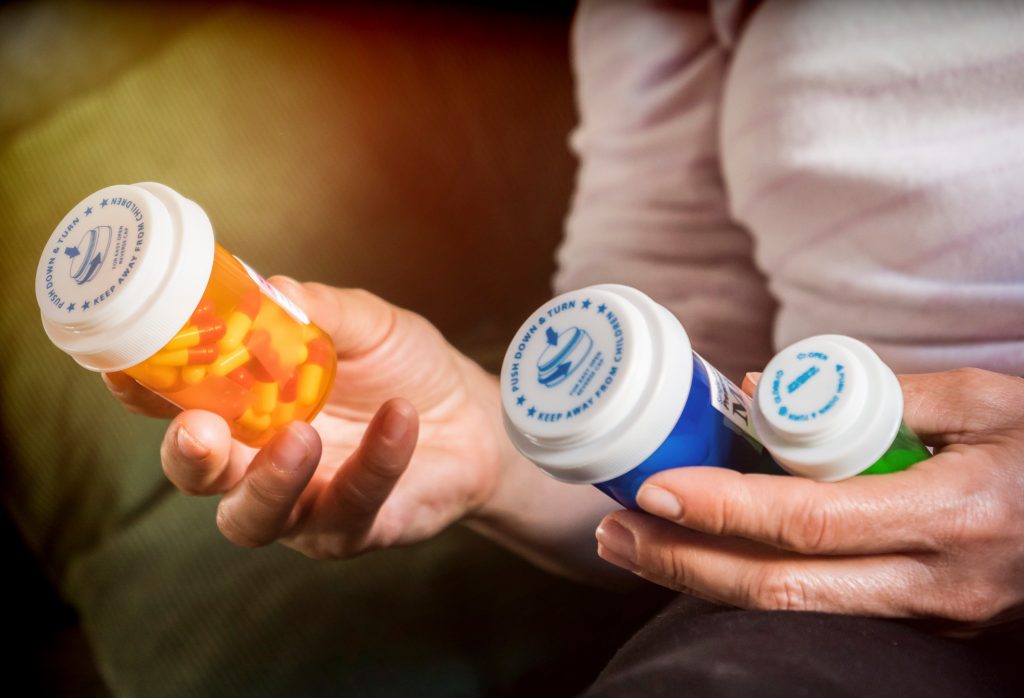
When the Medicine Becomes the Problem Not every addiction begins with illegal drug use. For many people, substance dependence starts in a doctor’s office, with a prescription meant to treat pain, anxiety, or attention issues. Prescription drug misuse is one of the fastest-growing causes of addiction in the United States—and Florida is no exception. At James Club Treatment Center in Wilton Manors, we help people recover not only from street drugs, but also from prescription medications that have taken control of their lives. Here’s what you need to know about the most addictive prescription drugs and how we can help. 1. Opioid Painkillers Examples: Oxycodone (OxyContin), Hydrocodone (Vicodin), Morphine, Fentanyl Prescribed for post-surgery recovery or chronic pain, opioids are powerful—but dangerously addictive. They create a euphoric high and lead to physical dependence quickly. Many heroin addictions begin with a legitimate prescription. 2. Benzodiazepines (Benzos) Examples: Xanax, Ativan, Klonopin, Valium These anti-anxiety medications are widely prescribed—but highly habit-forming. They cause sedation and calm, but withdrawal can lead to seizures, panic attacks, and even death. Long-term use rewires the brain and makes natural relaxation difficult. 3. Stimulants Examples: Adderall, Ritalin, Concerta Often prescribed for ADHD, stimulants increase focus and energy but are commonly misused by students and professionals. Long-term abuse can lead to paranoia, heart problems, and full-blown addiction. 4. Sleeping Medications Examples: Ambien, Lunesta, Sonata While they help people fall asleep short-term, these sedatives can quickly become addictive, especially when misused for anxiety or emotional escape. 5. Muscle Relaxers and Anticonvulsants Examples: Soma, Gabapentin, Lyrica These are increasingly used for off-label pain management, and while not classified as opioids or benzos, they can produce similar effects and addictive patterns when taken in large doses or mixed with other substances. How Prescription Drug Addiction Happens Most people don’t plan to misuse their medication. Addiction often begins with: Before long, the medication that was meant to help becomes a trap. What to Watch For If you or someone you love is prescribed one of these medications, look for warning signs: How James Club Can Help At James Club Treatment Center in Wilton Manors, FL, we understand that prescription drug addiction is complex and often comes with shame, confusion, or denial. Our program includes: ✅ Medication-Assisted Treatment (MAT) for safe detox and stabilization✅ Spiritual and 12-Step Integration to rebuild purpose and identity✅ Dual Diagnosis Support for co-occurring mental health issues✅ Structured Phased Recovery in a highly supportive sober environment✅ Compassionate care without judgment—because healing is our mission Faith and Recovery Go Hand in Hand Addiction is not a moral failure. It’s a spiritual illness that requires spiritual healing. At James Club, we offer a faith-based path to freedom, where clients reconnect with God, community, and themselves as they learn to live without substances. Are You Struggling With a Prescription? If you’ve been prescribed a medication that now feels like a burden—or if someone you love is showing signs of misuse—reach out today. Help is available. You’re not alone.
Narcan Saves Lives: How to Use It and What Florida’s Good Samaritan Law Means for You
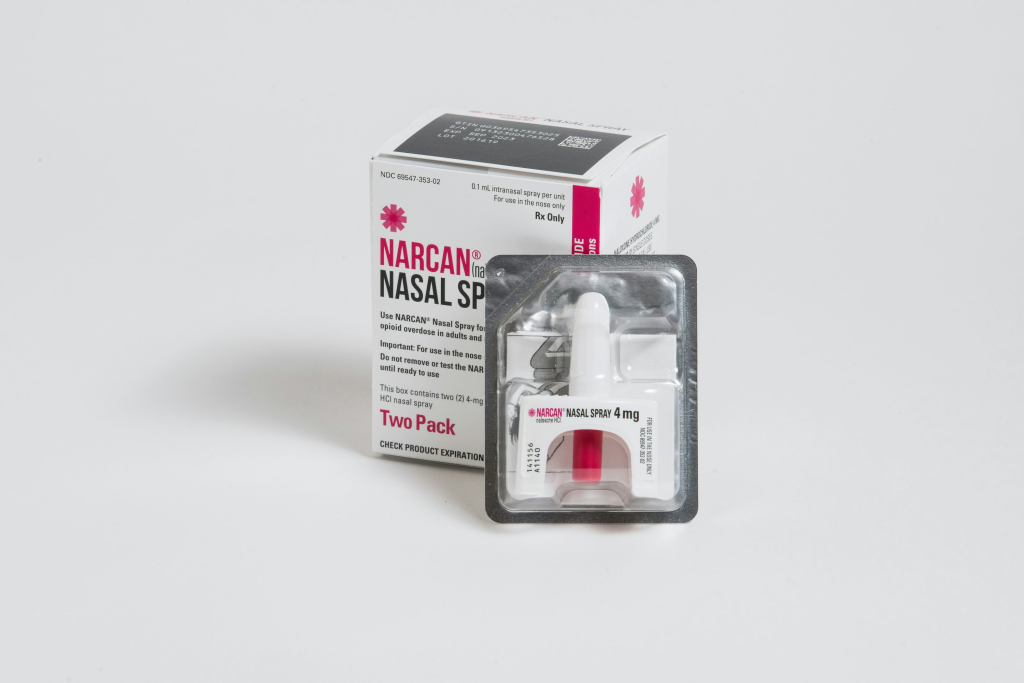
What Is Narcan (Naloxone)? Narcan is a brand name for naloxone, a medication that quickly reverses opioid overdoses. It works by blocking the effects of opioids in the brain, restoring normal breathing and potentially saving someone’s life in minutes. With the ongoing opioid crisis—especially involving fentanyl, heroin, and prescription painkillers—Narcan is a critical tool that anyone can carry and use. Why Narcan Is So Important Florida continues to face rising overdose rates, especially in South Florida communities like Wilton Manors and Fort Lauderdale. Many of these overdoses are due to opioids laced with fentanyl—a synthetic opioid up to 50 times stronger than heroin. In most cases, people don’t realize they or someone they love is using a substance contaminated with fentanyl until it’s too late. Narcan gives them a second chance.And in recovery, a second chance can be everything. How to Use Narcan (Nasal Spray) Narcan is safe, easy to use, and requires no medical background. Here’s a step-by-step guide: 1. Recognize an Opioid Overdose Signs include: 2. Call 911 Immediately Even if Narcan is available, emergency medical help is essential. Always call 911 first. 3. Administer Narcan 4. Support Breathing If trained, give rescue breaths or CPR. Lay the person on their side in the recovery position once they start breathing again. 5. Stay Until Help Arrives Even if the person wakes up, they need medical attention. The effects of Narcan can wear off, and the overdose could return. Where to Get Narcan in Florida Narcan is available over the counter in many pharmacies across Florida and often distributed free through: At James Club, we advocate for Narcan access and help educate families and communities about overdose prevention. Florida’s Good Samaritan Law: Know Your Rights In Florida, the Good Samaritan Law protects anyone who helps in a suspected overdose. Here’s what that means: This law is vital for reducing deaths and encouraging compassionate response—not punishment. Our Mission: Recovery, Safety, and Hope At James Club Treatment Center in Wilton Manors, FL, we believe every life is worth saving, and everyone deserves the opportunity to recover. Whether someone is actively struggling with addiction or living in sobriety, knowing how to respond to an overdose is a powerful way to protect your community. We provide overdose education, addiction treatment, sober living, and spiritual support for those ready to begin again. Take Action Today If you or a loved one is at risk of opioid use, learn how to use Narcan and carry it with you. And if you’re ready for help, let James Club walk with you on the road to recovery.