
For many people struggling with substance-related criminal charges, traditional incarceration may not address the root cause of the problem.
That is one reason treatment courts in Broward County have become an important alternative within the criminal justice system. These specialized court programs focus on rehabilitation, accountability, treatment, and long-term recovery instead of punishment alone.
At James Club Treatment Center, individuals facing addiction and co-occurring mental health challenges can access personalized treatment services that may complement court-ordered or voluntary recovery programs. Understanding the treatment court process can help individuals and families feel more prepared when exploring their options.
Contact us today to learn more about how James Club prioritizes rehabilitation over incarceration.
What Are Treatment Courts?
Treatment courts are specialized court programs that focus on rehabilitation for individuals whose criminal behavior is connected to substance abuse, addiction, or mental health conditions.
Rather than relying solely on incarceration, treatment courts combine:
- Judicial supervision
- Addiction treatment
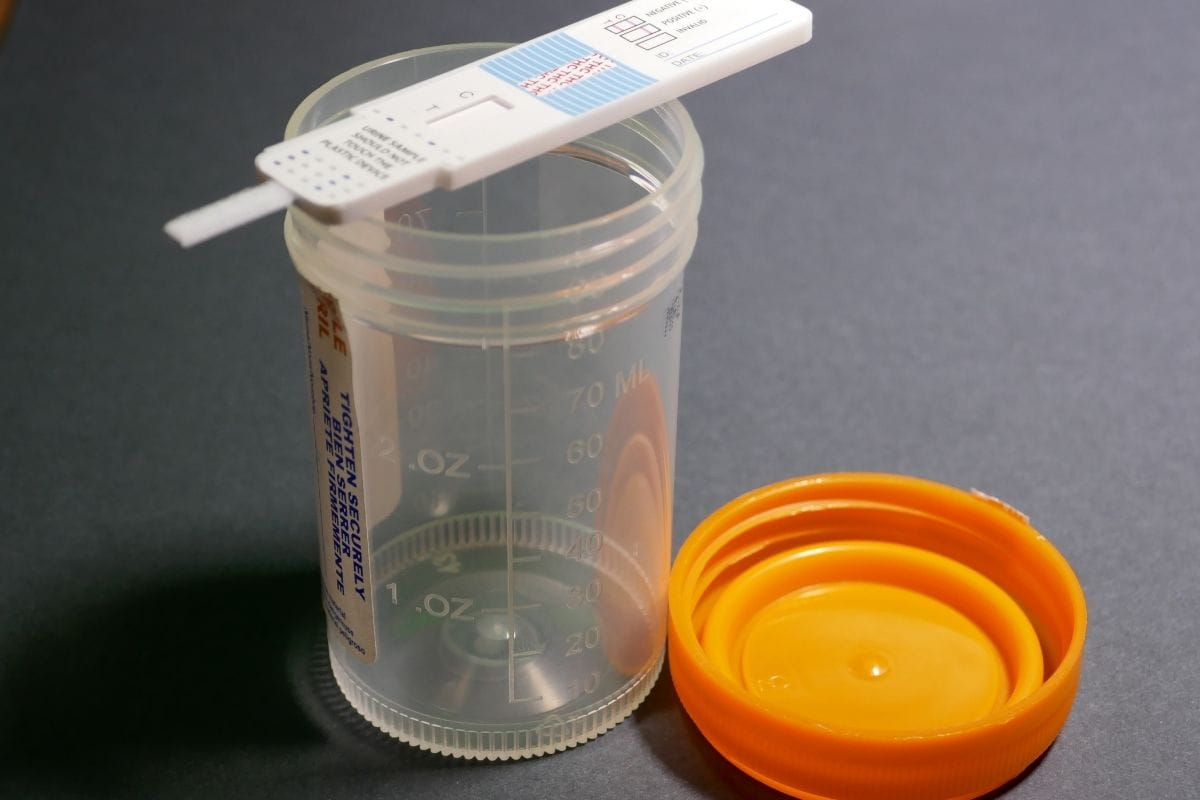
- Drug testing
- Counseling
- Accountability measures
- Case management
- Recovery support services
The overall goal is to help individuals break cycles of addiction and reduce repeat offenses.
Treatment courts are often collaborative programs involving:
- Judges
- Prosecutors
- Defense attorneys
- Probation officers
- Treatment providers
- Case managers
- Recovery specialists
Participants are typically required to follow strict treatment plans and attend regular court appearances while working toward sobriety and stability.
Types of Treatment Courts in Broward County
Broward County offers several problem-solving court programs designed to address different needs within the justice system.
Common treatment court programs may include:
Drug Court
Drug court programs focus on individuals whose criminal charges are related to substance abuse or addiction.
Participants may receive:
- Substance abuse treatment
- Drug testing
- Counseling
- Recovery support
- Court supervision
Successful completion may reduce penalties or help individuals avoid incarceration depending on the case.
Mental Health Court
Mental health courts help individuals living with mental health disorders who become involved in the criminal justice system.
Programs may include:
- Psychiatric treatment
- Medication management
- Counseling
- Community support services
DUI Court
DUI courts focus on individuals with repeat driving under the influence offenses and substance abuse concerns.
Treatment plans often combine:
- Sobriety monitoring
- Education programs
- Counseling
- Recovery support
Veterans Treatment Court
Veterans courts provide support for military veterans dealing with addiction, trauma, PTSD, or mental health challenges connected to legal issues.
How Broward County Drug Court Programs Work
While every case is unique, most treatment court programs in Broward County follow a structured multi-phase approach.
Initial Screening and Eligibility Review
After an arrest or criminal charge, individuals may be screened to determine whether they qualify for a treatment court program.
Eligibility factors may include:
- Type of criminal offense
- Substance use history
- Mental health needs
- Prior criminal record
- Willingness to participate in treatment
- Risk level and public safety considerations
Violent offenses or certain felony charges may limit eligibility in some cases.
Clinical Assessment
Participants often undergo professional assessments to evaluate:
- Substance use severity
- Mental health conditions
- Medical needs
- Treatment recommendations
- Risk factors
The assessment helps determine the appropriate level of care and supervision.
Court Approval
If someone meets eligibility requirements, the judge and legal team may approve placement into the treatment court program.
Participation usually involves agreeing to strict rules and treatment requirements.
Ongoing Treatment and Monitoring
Participants typically attend:
- Counseling sessions
- Group therapy
- Drug testing appointments
- Court hearings
- Recovery meetings
Judges often monitor progress closely through regular check-ins and reports from treatment providers.
Graduation or Program Completion
Successful completion may result in:
- Reduced charges
- Dismissed charges
- Reduced sentencing
- Probation adjustments
- Avoidance of incarceration
Requirements for graduation vary depending on the specific program and individual progress.
What Happens if Someone Violates Program Rules?
Treatment courts are designed to encourage accountability as well as recovery. Participants are expected to comply with treatment plans and court requirements.
Violations may include:
- Failed drug tests
- Missed appointments
- New criminal charges
- Failure to attend court
- Noncompliance with treatment
Depending on the situation, consequences may involve:
- Increased supervision
- Additional treatment requirements
- Community service
- Short-term sanctions
- Removal from the program
At the same time, treatment courts often recognize that relapse can be part of the recovery process. Some programs respond with adjusted treatment interventions instead of immediate expulsion.
Benefits of Treatment Court Programs
Treatment courts have become increasingly popular because they may provide better long-term outcomes than incarceration alone for individuals struggling with addiction.
Potential benefits include:
Access to Addiction Treatment
Many participants receive structured treatment services they may not otherwise access on their own.
Reduced Incarceration
Successful completion may help individuals avoid jail or prison time.
Lower Risk of Relapse and Reoffending
Addressing underlying addiction and mental health conditions may reduce future legal problems.
Improved Stability
Participants often receive support for:
- Employment
- Housing
- Education
- Mental health care
- Recovery planning
Increased Accountability
Frequent court appearances and supervision can help individuals remain focused on recovery goals.
How To Get Placed in a Treatment Court Program
Individuals interested in treatment court programs in Broward County typically begin the process through the criminal justice system after being charged with an offense.
Common ways to pursue placement include:
Speak With a Defense Attorney
An attorney can help determine whether treatment court eligibility may apply to a specific case.
Request Evaluation Through the Court
In some situations, individuals may ask the court about diversion or treatment court opportunities during hearings.
Participate in Screening Assessments
Completing evaluations honestly and cooperatively may help demonstrate willingness to engage in treatment.
Commit to Recovery
Treatment courts are highly structured programs. Demonstrating motivation for treatment and recovery can be an important factor.
The Importance of Addiction Treatment During Court Programs
Court supervision alone is rarely enough to address addiction long-term. Lasting recovery often requires comprehensive treatment that focuses on both substance use and underlying emotional or psychological struggles.
At James Club Treatment Center, treatment programs may help individuals participating in court-related recovery programs build healthier coping strategies and long-term stability.
Treatment services may include:
- Individual therapy
- Group counseling
- Dual diagnosis treatment
- Trauma-informed care
- Relapse prevention planning
- Recovery support services
Many individuals involved in treatment courts also struggle with anxiety, depression, PTSD, or unresolved trauma. Treating these co-occurring conditions can play a major role in long-term success.
Contact Us For Support
If you or someone you love is navigating addiction, legal challenges, or treatment court requirements in Broward County, help is available.
James Club Treatment Center in Wilton Manors offers personalized addiction treatment services designed to support long-term recovery, stability, and healing. Whether you are exploring treatment court options or simply seeking professional support for substance use, compassionate care can make a meaningful difference.
Recovery is possible, and taking the first step toward treatment may help open the door to a healthier future. Contact James Club Treatment Center today to learn more about available treatment programs and recovery support services.