20 Celebrities Who Embraced Sobriety in 2024: Inspiring Journeys Toward Recovery

At James Club Treatment Center in Wilton Manors, Florida, we believe in celebrating the courage it takes to walk the path of sobriety. In 2024, several celebrities stepped forward to share their recovery stories—proving that addiction does not discriminate and that healing is possible no matter who you are. These stories offer hope, reduce stigma, and highlight the strength it takes to break free from addiction. Whether you’re battling substance abuse or supporting a loved one in recovery, these journeys can inspire your own. 💬 Why Celebrity Sobriety Matters Celebrities often live under immense pressure and public scrutiny. When they choose to speak openly about addiction and recovery, they help normalize the conversation. Their stories empower others to seek help and affirm that sobriety is not just achievable—it’s transformative. Below are 20 celebrities who publicly revealed their sobriety or celebrated major recovery milestones in 2024. 🧠 20 Celebrities Who Went Sober or Celebrated Recovery in 2024 1. Liz Lee The former My Life as Liz star revealed she spent her MTV earnings on drugs. In 2024, she proudly shared that she was nine months sober and now uses her story to educate others. 2. Jax Taylor The Vanderpump Rules alum disclosed a 22-year battle with cocaine addiction. In early 2024, he announced he was 83 days sober and committed to healing. 3. Jordan Stephens The British rapper and actor was controversially dropped from a non-alcoholic campaign for being “too sober.” In response, he emphasized his dedication to sobriety and mental health. 4. Marcus King The Grammy-nominated musician shared that quitting alcohol helped him regain confidence. He continues to grow musically and personally. 5. Anne Hathaway The actress confirmed in April 2024 that she had surpassed five years of sobriety, attributing it to a healthier and more peaceful life. 6. Jamie Lee Curtis This iconic actress marked 25 years sober in 2024 and continues to advocate for addiction recovery with authenticity and heart. 7. Chet Hanks Son of Tom Hanks, Chet proudly celebrated two years sober and remains vocal about the spiritual and emotional aspects of recovery. 8. Tom Holland Known for his role as Spider-Man, Holland stayed alcohol-free in 2024 and even launched a non-alcoholic beer brand to promote sober living. 9. Jessica Simpson She celebrated seven years sober in late 2024, sharing how recovery helped her reclaim her voice, life, and self-worth. 10. Miley Cyrus Cyrus continued her sober lifestyle, saying it supports her vocal health and mental clarity. 11. Cara Delevingne The model and actress maintained sobriety in 2024, openly discussing how it allows her to enjoy life and creativity more fully. 12. Florence Welch The lead singer of Florence + The Machine celebrated eight years sober, calling it “the best decision” of her life. 13. Demi Lovato Now two and a half years sober, Lovato appeared at major 2024 events promoting recovery and speaking out against stigma. 14. Jack Harlow Marked three years alcohol-free, emphasizing how sobriety improved his personal and professional life. 15. Queen Latifah Honored her 22nd sober year, reflecting on the strength and discipline sobriety has taught her. 16. Lana Del Rey She continued her long-term sobriety with 21 years alcohol-free, standing as a quiet but powerful advocate for recovery. 17. Nicki Minaj Celebrated one year sober in April 2024, calling it a game-changer for her health and clarity. 18. Zendaya While never heavily involved in alcohol use, Zendaya confirmed she remains sober and chooses to live without alcohol entirely. 19. Anthony Hopkins The legendary actor marked 49 years sober in 2024. His reflection on recovery is both humbling and deeply motivating. 20. Margaret Cho Celebrated over 8 years sober, using humor and honesty to highlight the value of sobriety and self-love. 💡 What You Can Learn from These Stories If you’re struggling with addiction, or if someone you love is in need of support, James Club Treatment Center is here for you. We offer spiritually based, medically supported, and community-driven treatment in the heart of Wilton Manors, Florida. 🔗 Sources: Ready to start your recovery journey?📞 Call James Club Treatment Center today. Your healing starts now.
Breaking the Stigma: Addiction, Sobriety, and the Courage to Heal

Addiction Stigma: A Silent Barrier to Healing In today’s world, millions of people are battling addiction—but far too many suffer in silence. Why? Because of stigma. The shame, judgment, and misunderstanding surrounding addiction and sobriety often keep people from getting the help they need. At James Club Treatment Center in Wilton Manors, FL, we believe it’s time to replace stigma with truth, compassion, and grace—so individuals can heal without fear of rejection. What Is Addiction Stigma? Addiction stigma is the negative belief that people struggling with substance use are morally weak, selfish, or hopeless. These harmful labels lead to: Stigma not only affects those currently struggling—it also follows people into sobriety, casting a shadow over even the most courageous healing journeys. Common Myths That Fuel Stigma Let’s break down a few damaging myths: 🚫 Myth #1: “Addiction is a choice.”✅ Truth: Addiction is a chronic brain disease that alters decision-making and impulse control. 🚫 Myth #2: “You should be able to quit if you really want to.”✅ Truth: Recovery takes more than willpower—it requires support, structure, and healing from the inside out. 🚫 Myth #3: “People in recovery can’t be trusted.”✅ Truth: People in recovery are often the most honest, resilient, and accountable members of society. 🚫 Myth #4: “You’re not ‘sick’ if it’s alcohol or pills.”✅ Truth: Prescription drugs and alcohol can be just as destructive—and deadly—as illicit substances. The Stigma of Sobriety Even after getting clean, many people in recovery feel judged, misunderstood, or excluded—especially in social settings where drinking or drug use is normalized. People may ask: These questions, even if unintentional, can reopen old wounds and make sober individuals feel like outsiders. At James Club, we say this: Sobriety is not something to hide—it’s something to honor. How Faith and Community Fight Stigma At James Club Treatment Center, we offer a spiritually based recovery program built on the belief that every person is worthy of love, dignity, and redemption—regardless of their past. Through structured care, 12-Step integration, and faith-driven mentorship, we help our clients: 5 Ways to Help Break the Stigma Recovery Is Brave. Sobriety Is Sacred. If you or someone you love is facing addiction, know this: you are not broken. You are not weak. You are human—and you deserve healing. At James Club, we offer a safe, structured, faith-based environment where recovery isn’t just possible—it’s celebrated.
Meth Psychosis: What It Is, Why It Happens, and How to Find Help
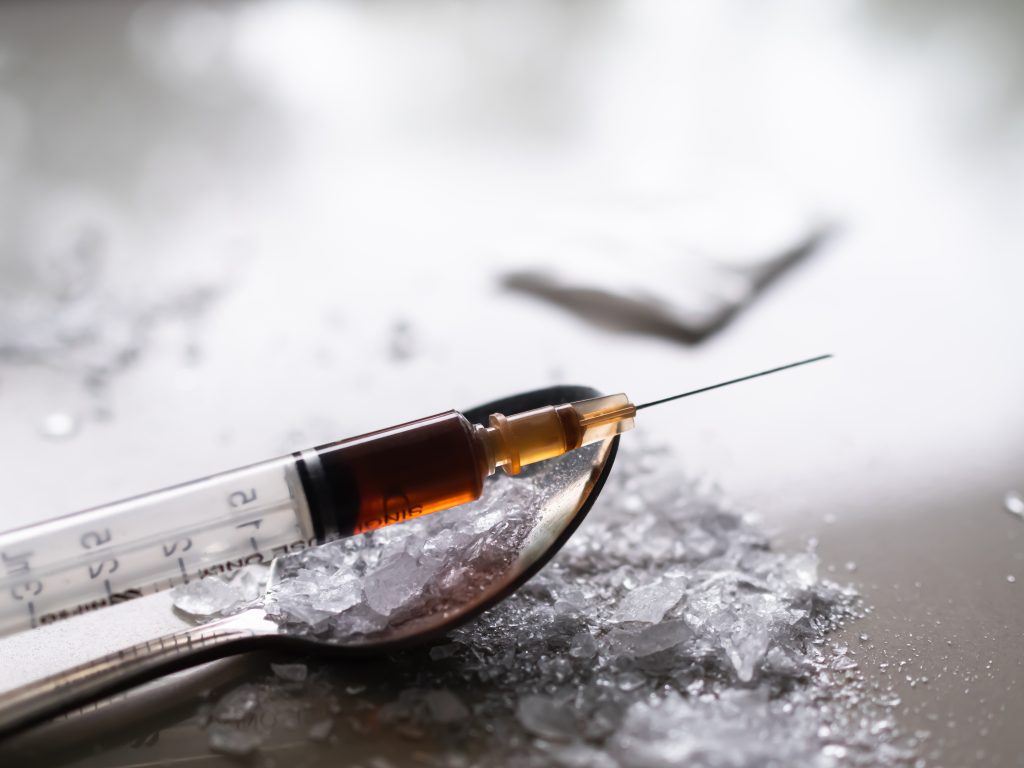
The Dark Side of Meth: Understanding Methamphetamine-Induced Psychosis Methamphetamine is one of the most dangerous and addictive stimulants on the street today. While it’s known for producing intense euphoria and energy, long-term use can lead to a frightening and often life-altering condition called meth psychosis. At James Club Treatment Center in Wilton Manors, FL, we’ve seen firsthand how meth damages not just the body—but also the mind and spirit. Understanding meth-induced psychosis is key to getting the right help, before it’s too late. What Is Meth Psychosis? Meth psychosis is a severe psychiatric condition triggered by meth use. It causes individuals to lose touch with reality—experiencing intense paranoia, hallucinations, and delusions. This condition can develop in chronic users, but it can also occur after only a few binges, especially with high doses or sleep deprivation. Common Symptoms of Meth Psychosis: These symptoms can last for hours, days, or even weeks, and in some cases, psychosis may continue even after meth use stops. What Causes Meth Psychosis? Meth floods the brain with dopamine, disrupting natural brain chemistry. Over time, the brain becomes overstimulated and unbalanced, leading to: These changes can cause the brain to misfire, creating distorted thoughts, hallucinations, and erratic behavior. Is Meth Psychosis Permanent? In most cases, meth psychosis can be reversed—but early intervention is critical. The longer someone stays in active addiction, the greater the risk that psychotic symptoms will persist even after stopping meth. Some individuals may develop long-term mental illness or require ongoing psychiatric care after recovery. How James Club Treatment Center Helps At James Club, we provide structured, spiritually based care for individuals suffering from meth addiction and its psychological effects. Our program includes: ✅ Medical supervision during detox to ensure safety✅ Dual diagnosis treatment for co-occurring mental health disorders✅ Faith-based counseling and 12-Step work to restore spiritual balance✅ Trauma-informed care to address underlying emotional wounds✅ Long-term sober living with accountability and community✅ MAT-certified care for eligible clients needing medication support We understand the fear and chaos that meth psychosis brings—and we offer a path back to peace, clarity, and spiritual purpose. A Word of Hope If someone you love is acting paranoid, delusional, or increasingly erratic after meth use, they are not just “high”—they may be in a state of meth-induced psychosis, and they need help now. There is no shame in seeking treatment. At James Club, we don’t judge—we walk with you toward healing. Get Help Today If you or someone you know is struggling with meth addiction or meth psychosis, call us today. We’ll provide the support, structure, and spiritual care needed to recover and rebuild.
Fetal Alcohol Syndrome and Addiction: Understanding the Lifelong Impact of Prenatal Alcohol Exposure
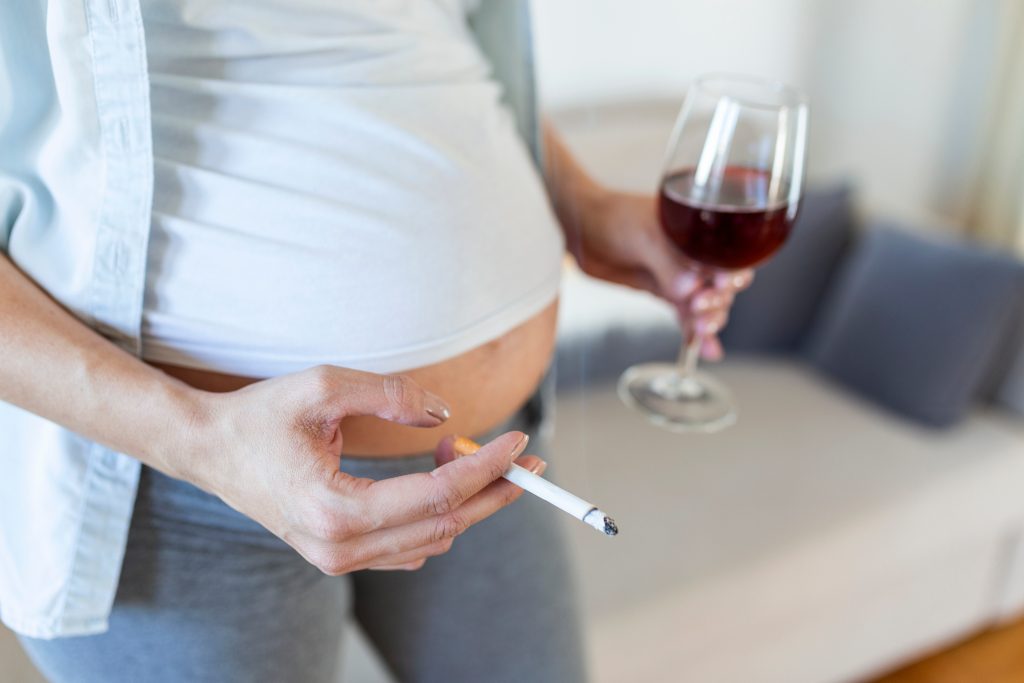
What Is Fetal Alcohol Syndrome? Fetal Alcohol Syndrome (FAS) is a lifelong condition caused by alcohol exposure in the womb. When a pregnant woman drinks, the alcohol passes through the placenta and directly affects the baby’s developing brain, nervous system, and organs. FAS is part of a group of disorders known as Fetal Alcohol Spectrum Disorders (FASD). These conditions can lead to: While FAS is 100% preventable, it continues to affect thousands of children in the United States each year—including right here in Florida. The Link Between FAS and Addiction Children born with FAS face unique challenges as they grow—and one of the most serious is an increased risk for substance use and addiction in adolescence and adulthood. Here’s why: 1. Impaired Judgment and Impulse Control FAS affects the prefrontal cortex, which is responsible for decision-making, risk assessment, and self-control. This makes individuals more vulnerable to experimenting with drugs or alcohol—and struggling to stop once they start. 2. Mental Health Struggles Many with FAS also experience depression, anxiety, or trauma, increasing the risk of self-medication with substances. 3. Difficulty Connecting Socially Social rejection, poor communication skills, and low self-esteem can lead to isolation—one of the key risk factors for addiction. How We Can Help: Treating Addiction in Individuals with FAS Addiction treatment for people affected by FAS requires a high level of compassion, structure, and individualized care. At James Club Treatment Center in Wilton Manors, we understand that addiction is never just about drugs—it’s about deeper pain, disconnection, and neurological challenges that require whole-person healing. Our program includes: ✅ Neuro-informed behavioral therapy✅ Faith-based structure and spiritual support✅ Daily routines and community accountability✅ Mentorship and emotional life skills training✅ Dual diagnosis care for co-occurring mental health concerns✅ FARR-certified and MAT-friendly treatment Support for Mothers in Recovery We also work with women who are pregnant or have children, providing education on the risks of drinking during pregnancy and offering compassionate treatment for those facing guilt or trauma around past substance use. It’s never too late to change your path—and choosing recovery can break the cycle for generations to come. Faith, Healing, and a Future At James Club, we believe that every person—no matter how they began life—has a purpose. Through God’s grace, structured care, and loving community, people with FAS can thrive in recovery and build a life of peace, meaning, and connection. Get Help Today If you or a loved one is affected by FAS and addiction, there is hope. Our team is here to walk alongside you on the journey toward healing.
Common Prescription Drugs That Can Lead to Addiction (And What You Can Do About It)
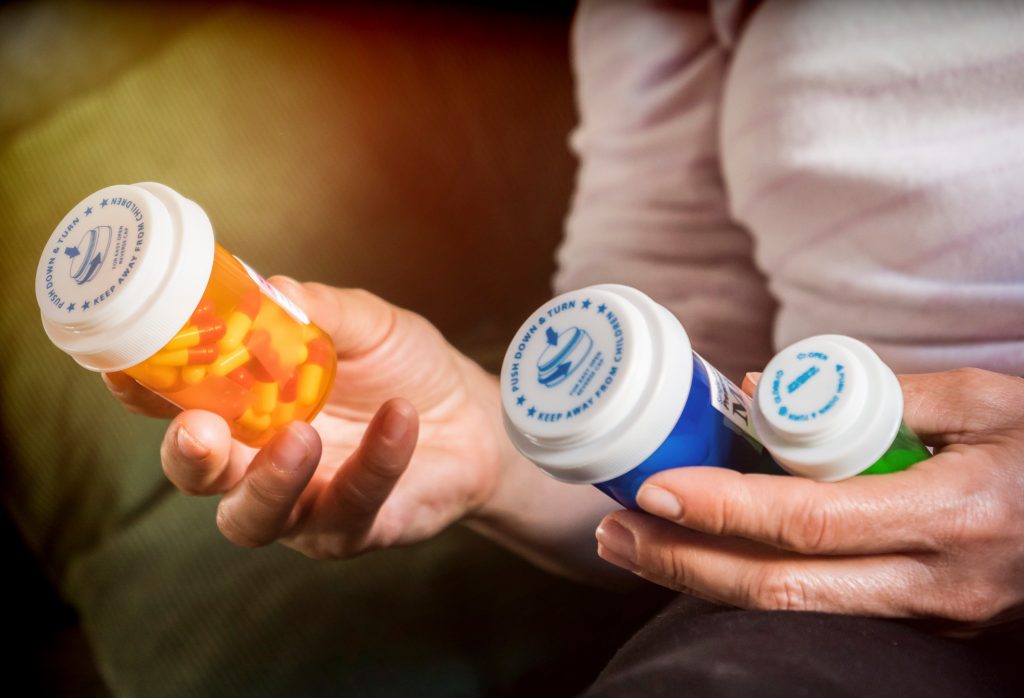
When the Medicine Becomes the Problem Not every addiction begins with illegal drug use. For many people, substance dependence starts in a doctor’s office, with a prescription meant to treat pain, anxiety, or attention issues. Prescription drug misuse is one of the fastest-growing causes of addiction in the United States—and Florida is no exception. At James Club Treatment Center in Wilton Manors, we help people recover not only from street drugs, but also from prescription medications that have taken control of their lives. Here’s what you need to know about the most addictive prescription drugs and how we can help. 1. Opioid Painkillers Examples: Oxycodone (OxyContin), Hydrocodone (Vicodin), Morphine, Fentanyl Prescribed for post-surgery recovery or chronic pain, opioids are powerful—but dangerously addictive. They create a euphoric high and lead to physical dependence quickly. Many heroin addictions begin with a legitimate prescription. 2. Benzodiazepines (Benzos) Examples: Xanax, Ativan, Klonopin, Valium These anti-anxiety medications are widely prescribed—but highly habit-forming. They cause sedation and calm, but withdrawal can lead to seizures, panic attacks, and even death. Long-term use rewires the brain and makes natural relaxation difficult. 3. Stimulants Examples: Adderall, Ritalin, Concerta Often prescribed for ADHD, stimulants increase focus and energy but are commonly misused by students and professionals. Long-term abuse can lead to paranoia, heart problems, and full-blown addiction. 4. Sleeping Medications Examples: Ambien, Lunesta, Sonata While they help people fall asleep short-term, these sedatives can quickly become addictive, especially when misused for anxiety or emotional escape. 5. Muscle Relaxers and Anticonvulsants Examples: Soma, Gabapentin, Lyrica These are increasingly used for off-label pain management, and while not classified as opioids or benzos, they can produce similar effects and addictive patterns when taken in large doses or mixed with other substances. How Prescription Drug Addiction Happens Most people don’t plan to misuse their medication. Addiction often begins with: Before long, the medication that was meant to help becomes a trap. What to Watch For If you or someone you love is prescribed one of these medications, look for warning signs: How James Club Can Help At James Club Treatment Center in Wilton Manors, FL, we understand that prescription drug addiction is complex and often comes with shame, confusion, or denial. Our program includes: ✅ Medication-Assisted Treatment (MAT) for safe detox and stabilization✅ Spiritual and 12-Step Integration to rebuild purpose and identity✅ Dual Diagnosis Support for co-occurring mental health issues✅ Structured Phased Recovery in a highly supportive sober environment✅ Compassionate care without judgment—because healing is our mission Faith and Recovery Go Hand in Hand Addiction is not a moral failure. It’s a spiritual illness that requires spiritual healing. At James Club, we offer a faith-based path to freedom, where clients reconnect with God, community, and themselves as they learn to live without substances. Are You Struggling With a Prescription? If you’ve been prescribed a medication that now feels like a burden—or if someone you love is showing signs of misuse—reach out today. Help is available. You’re not alone.
Narcan Saves Lives: How to Use It and What Florida’s Good Samaritan Law Means for You
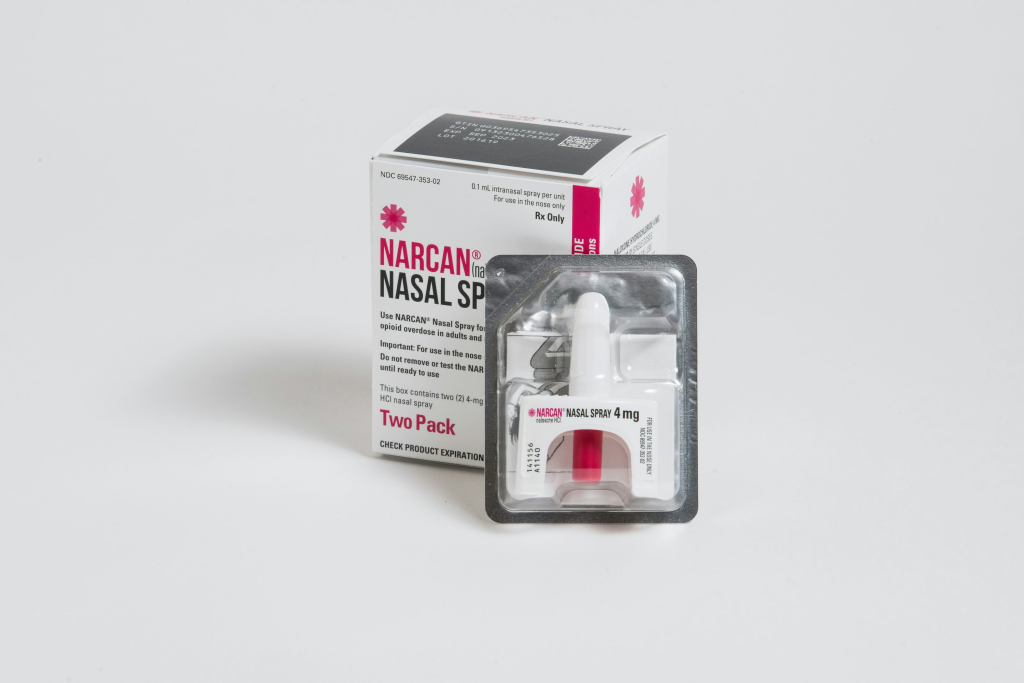
What Is Narcan (Naloxone)? Narcan is a brand name for naloxone, a medication that quickly reverses opioid overdoses. It works by blocking the effects of opioids in the brain, restoring normal breathing and potentially saving someone’s life in minutes. With the ongoing opioid crisis—especially involving fentanyl, heroin, and prescription painkillers—Narcan is a critical tool that anyone can carry and use. Why Narcan Is So Important Florida continues to face rising overdose rates, especially in South Florida communities like Wilton Manors and Fort Lauderdale. Many of these overdoses are due to opioids laced with fentanyl—a synthetic opioid up to 50 times stronger than heroin. In most cases, people don’t realize they or someone they love is using a substance contaminated with fentanyl until it’s too late. Narcan gives them a second chance.And in recovery, a second chance can be everything. How to Use Narcan (Nasal Spray) Narcan is safe, easy to use, and requires no medical background. Here’s a step-by-step guide: 1. Recognize an Opioid Overdose Signs include: 2. Call 911 Immediately Even if Narcan is available, emergency medical help is essential. Always call 911 first. 3. Administer Narcan 4. Support Breathing If trained, give rescue breaths or CPR. Lay the person on their side in the recovery position once they start breathing again. 5. Stay Until Help Arrives Even if the person wakes up, they need medical attention. The effects of Narcan can wear off, and the overdose could return. Where to Get Narcan in Florida Narcan is available over the counter in many pharmacies across Florida and often distributed free through: At James Club, we advocate for Narcan access and help educate families and communities about overdose prevention. Florida’s Good Samaritan Law: Know Your Rights In Florida, the Good Samaritan Law protects anyone who helps in a suspected overdose. Here’s what that means: This law is vital for reducing deaths and encouraging compassionate response—not punishment. Our Mission: Recovery, Safety, and Hope At James Club Treatment Center in Wilton Manors, FL, we believe every life is worth saving, and everyone deserves the opportunity to recover. Whether someone is actively struggling with addiction or living in sobriety, knowing how to respond to an overdose is a powerful way to protect your community. We provide overdose education, addiction treatment, sober living, and spiritual support for those ready to begin again. Take Action Today If you or a loved one is at risk of opioid use, learn how to use Narcan and carry it with you. And if you’re ready for help, let James Club walk with you on the road to recovery.
Healing in Nature: How the Outdoors Can Strengthen Your Sobriety

Recovery is about more than quitting substances—it’s about building a new life that feels worth living. One powerful, often overlooked tool for lasting sobriety is spending time in nature. At James Club Treatment Center in Wilton Manors, FL, we incorporate spiritual, emotional, and lifestyle healing into our treatment model. For many of our clients, learning to reconnect with nature becomes a turning point—a source of peace, perspective, and purpose. Why Nature Supports Addiction Recovery Time outdoors isn’t just relaxing—it’s therapeutic. Here’s how nature helps those in recovery: 1. Reduces Stress and Cravings Spending time in natural environments lowers cortisol levels (the stress hormone) and boosts dopamine—the same brain chemical many addictive substances hijack. A quiet walk by the ocean or in a park can ease anxiety and reduce the urge to use. 2. Improves Mental Health Nature has been shown to reduce symptoms of depression, anxiety, and PTSD—all common co-occurring conditions in people with substance use disorders. Green space and sunlight are natural mood boosters. 3. Promotes Spiritual Connection Being in nature reminds us that we’re part of something larger. The stillness of a sunrise, the sound of waves, or the vastness of the sky can inspire spiritual reflection and connection to a Higher Power—a vital part of 12-Step recovery. 4. Fosters Mindfulness and Presence Addiction thrives on escape. Nature, on the other hand, brings us back to the present moment—through sights, sounds, and sensations that ground us in reality and gratitude. 5. Encourages Healthy Habits and Routines Hiking, swimming, gardening, or even just walking become positive rituals—replacing old patterns with new, life-giving routines. These activities promote physical health, self-discipline, and self-care. Easy Ways to Enjoy Nature in Recovery You don’t need to go far to benefit from the outdoors. Here are some simple, recovery-friendly ways to reconnect with the natural world: Our Approach: Spiritual Healing in a Natural Setting At James Club, we encourage clients to incorporate nature into their recovery process. Our spiritually based, FARR-certified program emphasizes the connection between God, creation, and inner healing. Clients in our program often find that regular time in nature helps them: Recovery Is a Journey—Let Nature Walk It With You If you or a loved one is struggling with addiction, it’s time to step into healing—and step outside. Sobriety doesn’t have to be boring or isolating. It can be beautiful, adventurous, and full of purpose—especially when you reconnect with the natural world around you. Let James Club Treatment Center help guide the way.
How to Manage Alcohol Cravings: Practical and Spiritual Strategies That Work
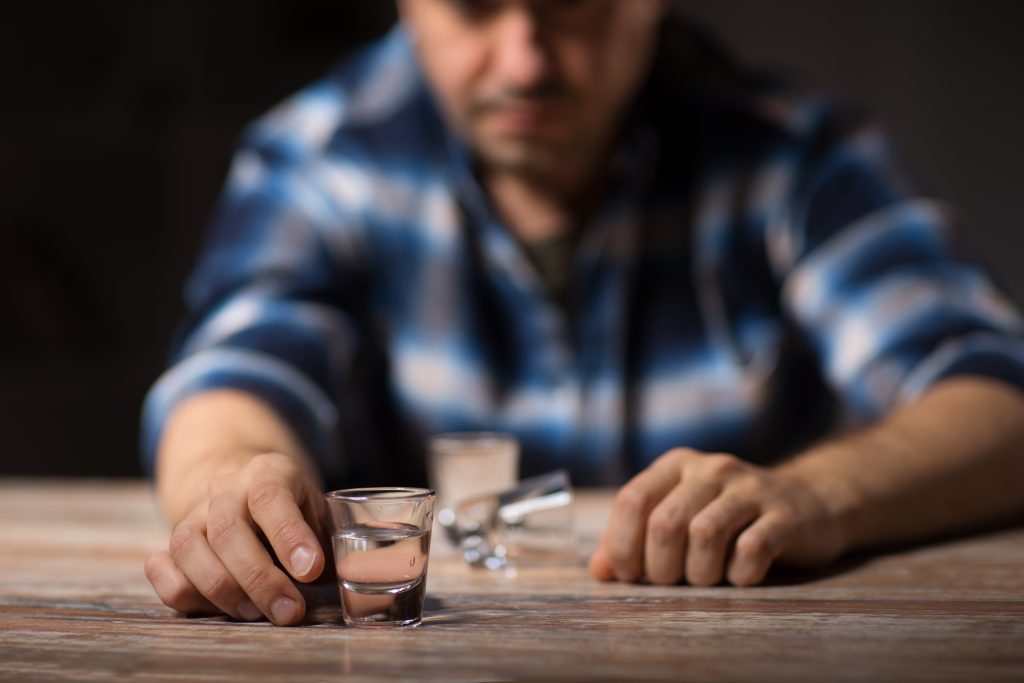
Breaking Free from Alcohol Cravings For anyone recovering from alcohol addiction, cravings can feel like a sudden storm—powerful, unpredictable, and overwhelming. But cravings are normal, and more importantly, they are manageable. At James Club Treatment Center in Wilton Manors, FL, we help individuals overcome alcohol dependence through a blend of spiritual strength, clinical care, and daily structure. Whether you’re newly sober or in long-term recovery, here’s how to take control when cravings hit. What Are Alcohol Cravings? Alcohol cravings are intense urges or thoughts that tempt you to drink, often triggered by stress, memories, places, or even boredom. These cravings don’t mean failure—they’re a sign your brain is rewiring itself after addiction. Understanding the source of your cravings is key to overcoming them. 7 Effective Ways to Manage Alcohol Cravings 1. Pray or Meditate Start by turning inward. A short prayer or moment of spiritual reflection can shift your mindset and remind you of your higher purpose. Cravings lose their grip when you connect with something greater than yourself. “God, grant me the serenity…” — The Serenity Prayer is a powerful tool when urges arise. 2. Talk to Someone Call a sponsor, reach out to a sober friend, or talk to a therapist. Speaking your craving out loud removes its power. You’re not alone—and you don’t have to face temptation in silence. 3. Change Your Environment Cravings often come in familiar places. Step outside, go for a walk, change rooms, or leave the situation entirely. A physical shift helps break the mental loop. 4. HALT Check-In HALT stands for Hungry, Angry, Lonely, Tired—four common relapse triggers. When a craving strikes, ask yourself if one of these needs attention and meet it in a healthy way. 5. Distract Yourself Engage your body and mind. Go for a run, cook a meal, clean, journal, or watch something uplifting. Even a few minutes of distraction can reset your brain’s response. 6. Remember Your Why Write down your reasons for staying sober—family, health, faith, freedom—and read them when cravings come. Keep reminders on your phone or wallet to stay grounded in your purpose. 7. Lean on Your Higher Power At James Club, we emphasize the importance of spiritual strength in recovery. When willpower fails, faith steps in. Leaning on your Higher Power, especially in moments of weakness, invites strength and clarity you can’t find alone. Managing Cravings in Early Sobriety The first 30–90 days of sobriety are the most fragile. Cravings can be constant and intense. This is why structure matters: Support and Structure at James Club Our team at James Club Treatment Center provides more than just a place to stay—we offer a structured, spiritually based recovery program that includes: If you’re experiencing intense alcohol cravings, you don’t have to fight them alone. Real recovery is possible—with the right tools, guidance, and faith. Find Strength Beyond the Bottle If you or a loved one is struggling with alcohol addiction in Wilton Manors or South Florida, contact us today. Recovery isn’t just about saying no—it’s about building a life worth staying sober for.
The Hidden Connection Between Addiction and Dental Health Issues
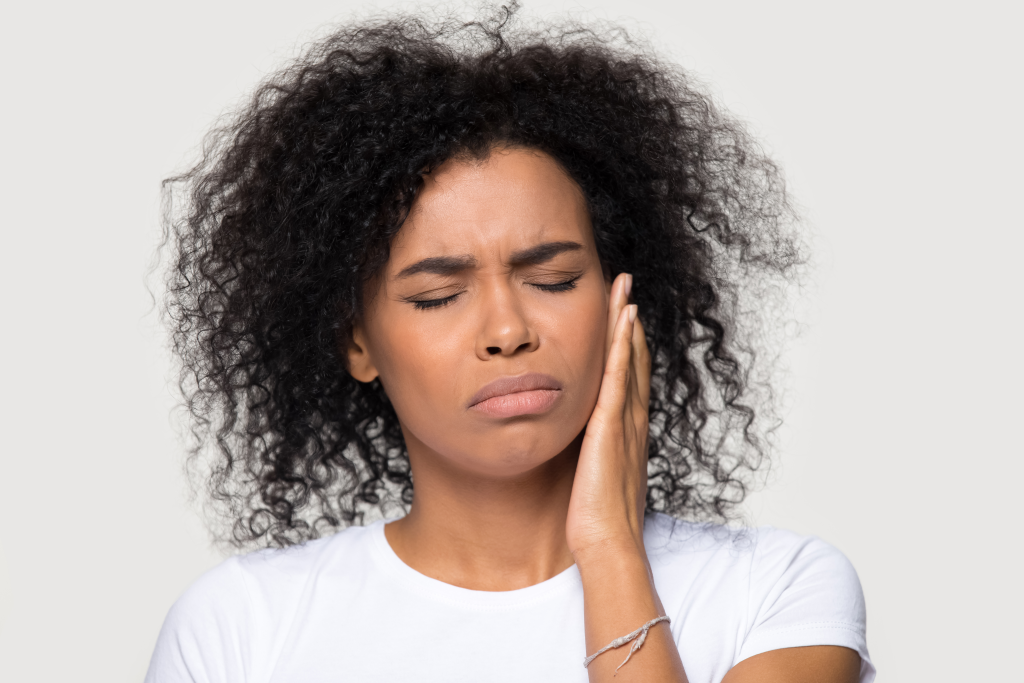
Addiction and Dental Health: The Overlooked Consequence Addiction affects every part of a person’s life—body, mind, and spirit. One area that often gets overlooked in recovery is dental health. At our South Florida treatment center, we’ve seen how long-term substance abuse often leaves a painful mark on the mouth: broken teeth, gum disease, infections, and more. Understanding the link between addiction and oral health is critical—not only for physical recovery, but also for restoring dignity, confidence, and self-worth. How Drugs and Alcohol Damage Teeth and Gums Different substances affect oral health in different ways, but most contribute to serious problems like decay, infection, and tooth loss. Here’s how: 1. Methamphetamine (“Meth Mouth”) Meth restricts blood flow to the gums and dries out the mouth, making it easier for bacteria to grow. Teeth often rot from the inside out, and users may grind their teeth unconsciously. 2. Crack Cocaine Crack is acidic and abrasive, especially when smoked. It erodes enamel and can cause ulcers on the gums and tongue. 3. Opioids and Heroin Opioids reduce pain perception, so users may not notice dental problems until they’re severe. They also cause dry mouth and can lead to infections, abscesses, and jawbone deterioration. 4. Alcohol Alcohol is both acidic and drying. Heavy drinking increases the risk of gum disease, cavities, and oral cancer. Many alcoholic drinks are also loaded with sugar, compounding dental decay. 5. Marijuana Cannabis reduces saliva production and may promote gum inflammation. Smoking it can also contribute to oral infections and staining. Dental Issues Common in Addiction Why Dental Care Matters in Recovery Poor oral health isn’t just uncomfortable—it’s demoralizing. Many people entering recovery feel ashamed to smile, talk, or eat in public. Infections can lead to systemic health issues, including heart problems. And persistent pain from dental neglect can become a relapse trigger. At James Club, we believe true healing requires restoration in every area of life—including health, appearance, and self-image. That’s why we educate our clients on dental hygiene as part of our whole-person care. A Spiritually Grounded Approach to Recovery Healing begins from the inside out. In our spiritually based recovery program, we help clients build a relationship with God and rediscover their self-worth. Through structured treatment, community support, and a faith-based foundation, clients gain the strength to overcome addiction—and begin caring for themselves again. We also coordinate with local dentists and healthcare providers to ensure our clients receive the dental care they need, whether it’s during or after their treatment journey. Reclaim Your Health and Your Smile Addiction steals many things—but with the right treatment and support, recovery can restore hope, health, and wholeness. If you or a loved one is struggling with addiction, don’t wait until more damage is done. 📍 Located in Wilton Manors, FL, we serve all of South Florida and beyond with compassionate, faith-centered care.
Top 10 Illicit Drugs Abused in Florida and How to Get Help
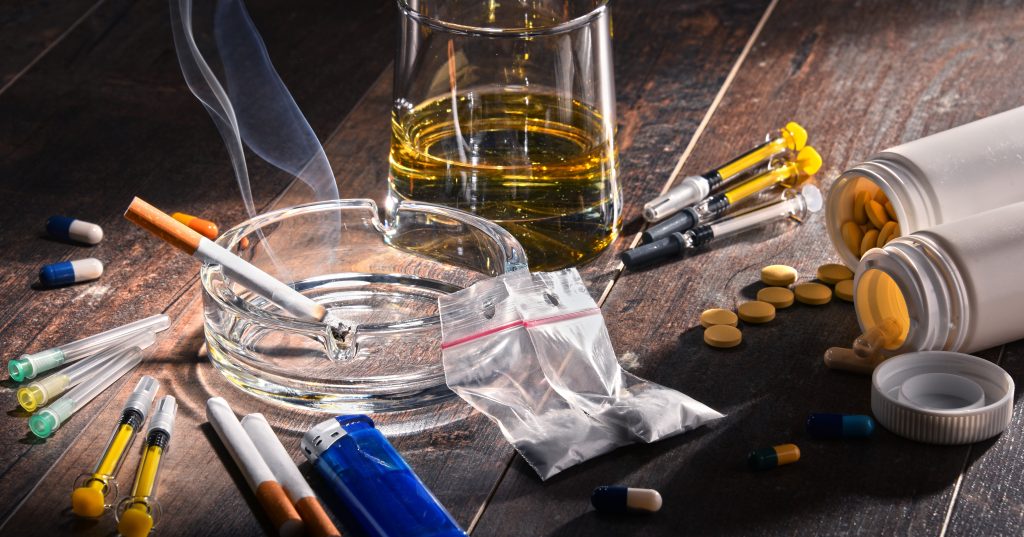
Florida, especially South Florida, continues to be a hotspot for substance abuse, with street drugs becoming more potent, accessible, and dangerous than ever. At James Club Treatment Center in Wilton Manors, FL, we combine clinical excellence with a deeply spiritual approach to help individuals find lasting recovery. Below, we highlight the 10 most common street drugs circulating in Florida, their effects, and how our faith-centered, professional team helps clients break free. 1. Fentanyl Fentanyl is a synthetic opioid up to 100 times more potent than morphine. It is often laced into other drugs, leading to accidental overdoses. Florida has seen a surge in fentanyl-related deaths in recent years. How We Help: Our medical team is experienced in opioid detox and medication-assisted treatment (MAT), and we provide spiritual guidance to help restore meaning and hope. 2. Methamphetamine (Meth) Meth is a highly addictive stimulant that damages the brain and body quickly. It’s commonly found in rural and urban communities across Florida. How We Help: We offer behavioral therapies, peer support, and a spiritual path to recovery that promotes healing from within. 3. Cocaine Cocaine use continues to rise in Florida, especially in nightlife areas. It increases the risk of heart attack and psychological distress. How We Help: Our experienced counselors work to identify underlying issues while our 12-step inspired program fosters transformation and accountability. 4. Heroin Heroin is a fast-acting opioid that’s often mixed with fentanyl. It is cheap and deadly, especially in South Florida counties. How We Help: We offer evidence-based opioid use disorder treatment combined with spiritual mentoring and community connection. 5. Xanax (Alprazolam) Xanax is frequently abused due to its sedative effects. It’s often sold illegally or misused by those with anxiety or stress. How We Help: Our team addresses both the addiction and co-occurring mental health issues, providing dual diagnosis treatment in a compassionate, faith-centered environment. 6. MDMA (Ecstasy/Molly) Often used at parties or festivals, MDMA affects mood, sleep, and perception. It’s popular among Florida’s younger population. How We Help: Through group therapy, relapse prevention education, and spiritual guidance, we help clients break free from the party lifestyle and rebuild a purpose-filled life. 7. Marijuana While legalized medically in Florida, recreational marijuana remains a concern for dependency, especially in teens and young adults. How We Help: We provide personalized care that examines emotional reliance and helps individuals reconnect with a higher purpose. 8. Kratom Legal but unregulated, Kratom is increasingly used for self-medication and can lead to dependency and withdrawal symptoms. How We Help: We educate clients on lesser-known substances like Kratom and offer holistic treatment plans to restore mental and spiritual health. 9. Synthetic Cannabinoids (Spice/K2) Often sold as a legal alternative to marijuana, these substances can cause extreme paranoia, hallucinations, and violence. How We Help: We treat the psychological impact of synthetic drug use and help clients reconnect with their values and identity through spiritual development. 10. Prescription Opioids (Oxycodone, Hydrocodone) Florida was once at the center of the “pill mill” crisis. Although regulations have tightened, misuse of opioids remains a major issue. How We Help: At James Club, we offer detox, MAT, and long-term support rooted in faith and structured recovery. Healing Beyond Sobriety At James Club Treatment Center, we believe addiction is a spiritual, emotional, and physical disease. Our faith-based, 12-step-inspired program helps clients not only get clean but stay clean—through structure, community, and a renewed connection with God. Our facility in Wilton Manors, FL is FARR-certified and equipped to handle complex cases, including dual diagnosis and medication-assisted treatment. Whether you’re struggling with one of these common drugs or seeking help for a loved one, we’re here to guide the journey. Ready for a New Beginning? Contact James Club Treatment Center today to speak with an admissions counselor. We’re open Monday through Saturday, 9 AM to 8 PM, and ready to help you or your loved one reclaim life. 📞 Call Now: 954-773-4700🌐 Visit: https://jamesclubtreatment.com