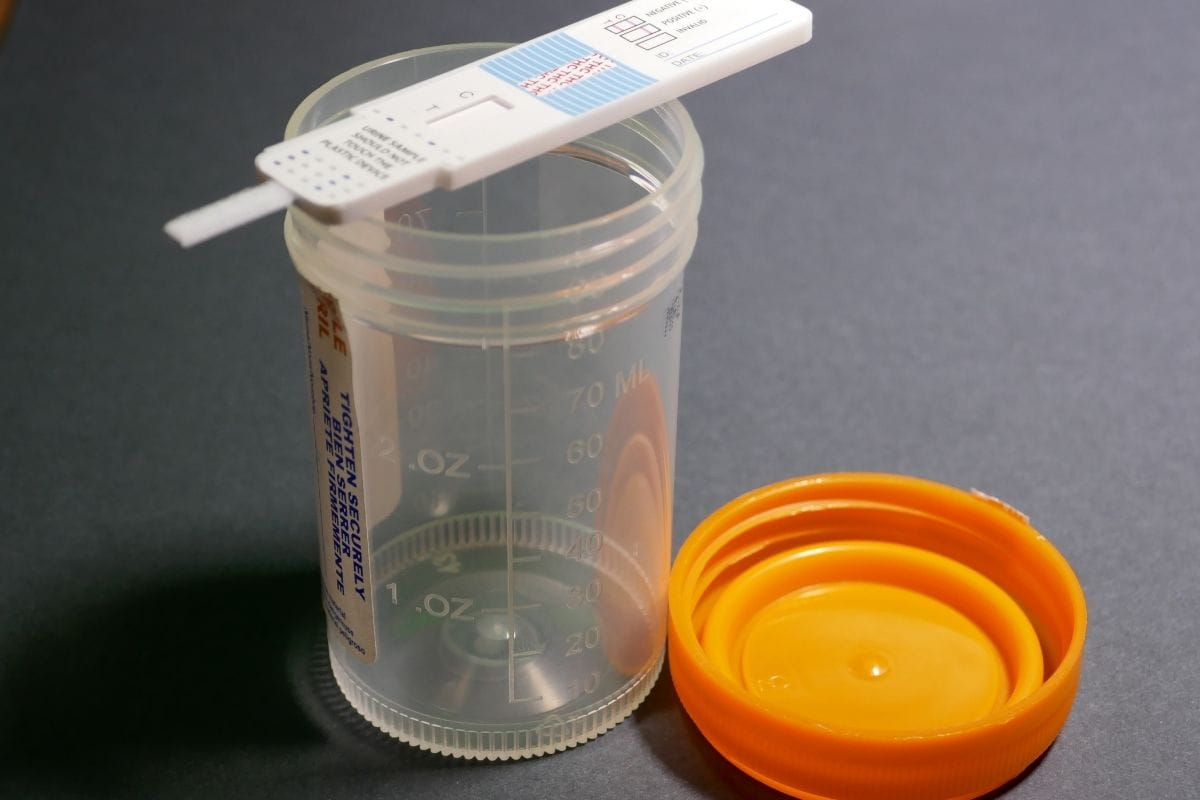
Kratom has become increasingly popular in recent years, especially among people looking for alternatives to opioids, ways to manage pain, or substances that may produce stimulating or relaxing effects. As its use has grown, so have questions surrounding drug testing, legality, safety, and addiction. One of the most common questions people ask is: does kratom show up on a drug test?
The short answer is: sometimes.
Standard drug tests typically do not screen for kratom, but specialized tests can detect it. The answer depends on the type of drug test being used, the reason for testing, and how frequently kratom is being consumed.
At James Club Treatment Center in Wilton Manors, individuals struggling with kratom misuse or other substance-related challenges can access personalized addiction treatment and recovery support in a compassionate setting. Understanding kratom and the risks associated with it is often the first step toward making informed decisions about treatment and recovery.
What Is Kratom?
Kratom is a tropical plant native to Southeast Asia. Its leaves contain active compounds called mitragynine and 7-hydroxymitragynine, which interact with opioid receptors in the brain.
Depending on the dosage, kratom can produce different effects:
- Lower doses may create stimulating effects, increased energy, or alertness
- Higher doses may produce sedative effects similar to opioids
- Some users report feelings of euphoria or pain relief
Kratom is commonly sold as:
- Powders
- Capsules
- Gummies
- Extracts
- Teas
- Liquid shots
Because kratom is often marketed as a natural supplement, some people underestimate its risks. However, repeated use can lead to tolerance, dependency, and withdrawal symptoms.
Does Kratom Show Up on Standard Drug Tests?
In most cases, kratom does not appear on standard 5-panel drug tests.
Traditional employment drug screenings are generally designed to detect substances such as:
Since kratom contains unique compounds that differ from traditional opioids, it usually requires a separate screening panel to be identified.
However, this does not mean kratom is completely undetectable. Specialized drug tests can specifically screen for kratom alkaloids, including mitragynine.
Employers, treatment centers, medical professionals, law enforcement agencies, or probation programs may request expanded drug panels that include kratom testing.
What Types of Drug Tests Can Detect Kratom?
Certain advanced or specialized drug tests can identify kratom in the body. These may include:
Urine Tests
Urine testing is the most common method used to detect kratom. Specialized urine tests can identify kratom metabolites for several days after use.
Blood Tests
Blood tests may detect kratom for a shorter period of time, usually within the first several hours or days after consumption.
Saliva Tests
Saliva testing for kratom is less common, but some specialized screenings may identify recent use.
Hair Follicle Tests
Hair testing has the potential to detect substances for much longer periods, sometimes up to 90 days. However, kratom hair testing is relatively uncommon compared to urine testing.
How Long Does Kratom Stay in Your System?
There is no universal answer because several factors influence how long kratom remains detectable.
Detection windows can vary depending on:
- Frequency of use
- Dosage amount
- Metabolism
- Body composition
- Hydration levels
- Overall health
- Type of drug test used
For occasional users, kratom may leave the body more quickly. Chronic or heavy users may retain detectable levels longer due to buildup in the body.
Some reports suggest kratom may remain detectable in urine for up to a week or longer in frequent users. However, detection times can vary significantly from person to person.
Why Do Some People Use Kratom?
People use kratom for a variety of reasons. Some individuals take it recreationally, while others use it to self-manage pain, anxiety, fatigue, or opioid withdrawal symptoms.
Common reasons people use kratom include:
- Pain relief
- Increased energy
- Relaxation
- Mood enhancement
- Managing opioid cravings
- Reducing withdrawal symptoms
Unfortunately, self-medicating with kratom can sometimes create new substance use issues. What may begin as occasional use can gradually become dependency or addiction.
Is Kratom Addictive?
Yes, kratom can be addictive. While some people view it as a safer alternative to opioids, kratom still affects the brain’s reward system and can lead to physical and psychological dependence.
Over time, users may begin needing larger amounts to achieve the same effects. When they stop using kratom, withdrawal symptoms may appear.
Common signs of kratom addiction may include:
- Cravings for kratom
- Increased tolerance
- Using more than intended
- Withdrawal symptoms without it
- Difficulty stopping use
- Mood swings or irritability
- Social withdrawal
- Financial or relationship problems related to use
Like other addictive substances, kratom misuse can interfere with work, relationships, emotional health, and overall quality of life.
Kratom Withdrawal Symptoms
People who stop using kratom after regular use may experience withdrawal symptoms similar to mild opioid withdrawal.
Symptoms may include:
- Anxiety
- Irritability
- Insomnia
- Muscle aches
- Sweating
- Nausea
- Depression
- Restlessness
- Fatigue
- Intense cravings
Withdrawal experiences can vary depending on the severity of use and whether other substances are involved.
Because withdrawal can be uncomfortable and emotionally overwhelming, professional treatment support may help individuals manage symptoms more safely and successfully.
When to Seek Professional Help for Kratom Use
Many people do not realize they have developed a dependency until kratom begins affecting daily life. If someone feels unable to stop using kratom despite negative consequences, professional treatment may be beneficial.
Signs it may be time to seek help include:
- Failed attempts to quit
- Daily or compulsive use
- Withdrawal symptoms
- Using kratom to cope emotionally
- Mixing kratom with other substances
- Declining mental or physical health
- Relationship or work problems caused by use
Addiction treatment programs can help individuals address both the physical and emotional aspects of substance use.
Treatment Options for Kratom Addiction
Recovery from kratom addiction is possible with the right support system and treatment approach. At James Club Treatment Center, individuals receive personalized care designed to address their unique needs and recovery goals.
Treatment may include:
Medical Detox Support
Detox programs help individuals safely manage withdrawal symptoms while transitioning away from substance use.
Individual Therapy
Therapy can help uncover the emotional triggers, stressors, or mental health conditions contributing to substance use.
Group Counseling
Peer support and group therapy can help individuals build accountability and connection during recovery.
Dual Diagnosis Treatment
Many people struggling with addiction also experience anxiety, depression, trauma, or other mental health concerns. Treating both conditions together can improve long-term recovery outcomes.
Relapse Prevention Planning
Learning healthy coping skills and relapse prevention strategies is an important part of maintaining sobriety after treatment.
Why Choose James Club Treatment Center?
James Club Treatment Center provides addiction treatment services in a supportive and welcoming environment near Fort Lauderdale. Located in Wilton Manors, the center focuses on helping individuals build sustainable recovery through individualized care and evidence-based treatment approaches.
Clients receive support for substance use disorders, co-occurring mental health conditions, relapse prevention, and long-term wellness planning.
Whether someone is struggling with kratom, alcohol, opioids, prescription medications, or other substances, treatment programs are designed to meet individuals where they are in the recovery process.
Contact Us For Support
If you or someone you love is struggling with kratom use, addiction, or withdrawal symptoms, help is available. While kratom may not appear on every standard drug test, its effects on physical and mental health can still become serious over time.
James Club Treatment Center in Wilton Manors offers compassionate addiction treatment services for individuals seeking recovery and lasting change. Professional support can make the process of detox, treatment, and recovery safer and more manageable. Contact us today to begin.