Originally developed for severe pain management, particularly after surgery or for advanced cancer patients, fentanyl has become increasingly associated with overdose deaths, addiction, and illicit drug use. Because of its potency, many people ask the same important question: how long does fentanyl stay in your system?
The answer depends on several factors, including how often fentanyl is used, the amount taken, a person’s metabolism, overall health, and the type of drug test being used. While the effects of fentanyl may wear off relatively quickly, traces of the drug can remain detectable in the body for days or even longer in some cases.
At James Club Treatment Center in Wilton Manors, individuals struggling with fentanyl addiction and opioid dependency can access personalized treatment programs designed to support long-term recovery and healing. Contact us today to learn more.
What Is Fentanyl?
Fentanyl is a synthetic opioid that is significantly stronger than morphine and heroin. In medical settings, prescription fentanyl may be used to treat severe pain under careful supervision.
It is commonly available in forms such as:
- Patches
- Lozenges
- Injections
- Nasal sprays
Illicit fentanyl, however, is often manufactured illegally and mixed into other substances such as heroin, cocaine, methamphetamine, or counterfeit pills. Many individuals unknowingly consume fentanyl because it is hidden in other drugs.
This is one reason fentanyl overdoses have increased dramatically in recent years. Even tiny amounts can suppress breathing and become life-threatening.
How Long Do the Effects of Fentanyl Last?
The immediate effects of fentanyl may not last very long, but the drug can remain in the body well after those effects wear off.
Short-term effects may include:
- Euphoria
- Pain relief
- Drowsiness
- Relaxation
- Slowed breathing
- Sedation
Depending on the method of use, fentanyl’s noticeable effects may last anywhere from a few hours to longer in extended-release medical forms like patches.
However, the body continues processing and eliminating fentanyl after the initial effects fade.
How Long Does Fentanyl Stay in Your System?
Fentanyl detection times vary from person to person.
Several variables influence how long the drug remains detectable, including:
- Frequency of use
- Dosage
- Body fat percentage
- Liver function
- Metabolism
- Hydration
- Age
- Overall physical health
- Whether other substances are being used
People who use fentanyl regularly may retain the drug in their systems longer than occasional users because fentanyl can accumulate in fatty tissues.
Below are common detection windows based on testing method.
Fentanyl Detection Times by Drug Test
Urine Tests
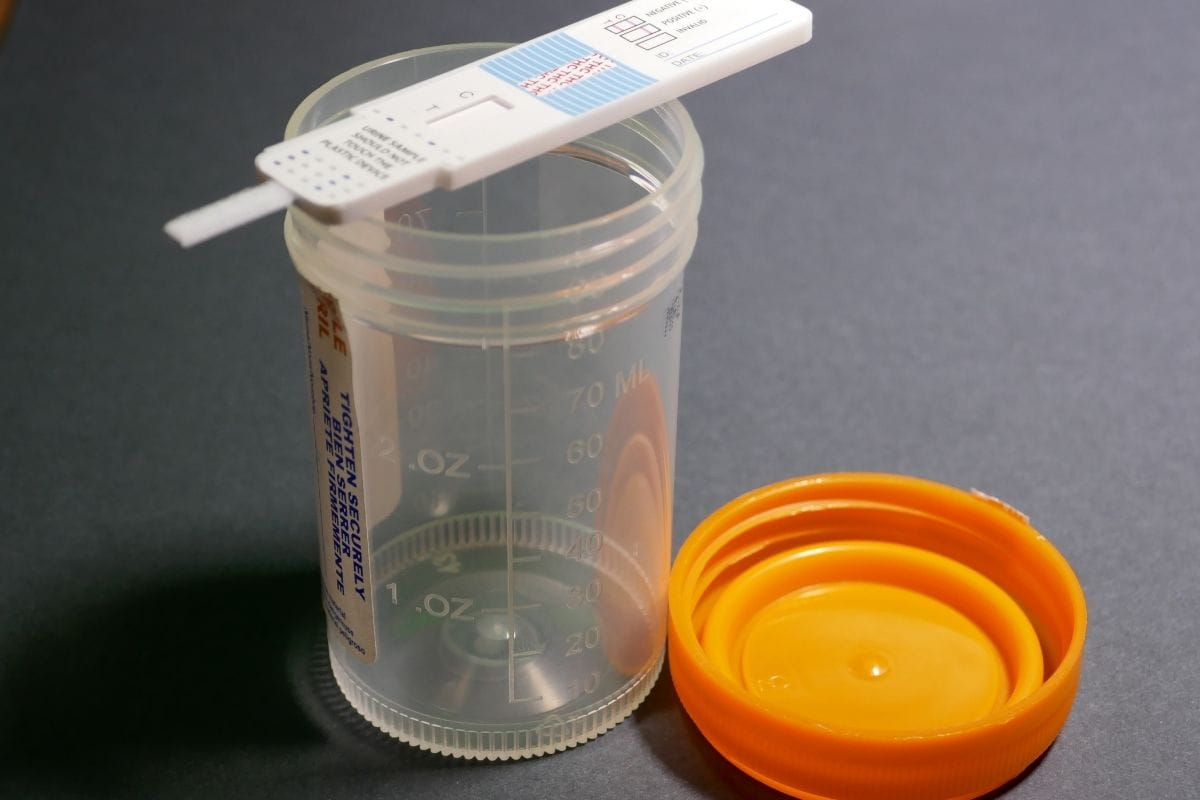
Urine testing is one of the most common methods used to detect fentanyl.
Fentanyl may typically remain detectable in urine for:
- Approximately 1 to 3 days after occasional use
- Longer for chronic or heavy users
Specialized opioid panels are often required because fentanyl may not appear on every standard opioid screening.
Blood Tests
Blood tests generally detect fentanyl for shorter periods.
Fentanyl may remain detectable in blood for:
- Up to 12 hours or longer in some cases
Blood testing is more commonly used in medical or emergency settings.
Saliva Tests
Saliva tests may identify fentanyl relatively soon after use.
Detection may last:
- Around 1 to 4 days depending on usage patterns
Hair Follicle Tests
Hair tests have the longest detection window.
Fentanyl may remain detectable in hair follicles for:
- Up to 90 days or more
Hair testing is less commonly used but may appear in legal, employment, or specialized testing situations.
Factors That Affect Fentanyl Detection Time
No two people process fentanyl exactly the same way. Several factors influence how long it remains in the body.
Frequency of Use
Repeated fentanyl use may cause the drug to build up in body tissues, extending detection times.
Method of Use
Injecting, smoking, snorting, or using fentanyl patches may affect how quickly the drug enters and leaves the body.
Metabolism
Individuals with faster metabolisms may process fentanyl more quickly than others.
Body Composition
Because fentanyl is fat-soluble, it may remain in the body longer in individuals with higher body fat percentages.
Liver and Kidney Function
The liver and kidneys help process and eliminate substances from the body. Impaired organ function may slow elimination times.
Can You Speed Up the Elimination Process?
Many people search for ways to “flush” fentanyl out of their system quickly, especially before a drug test. However, there is no guaranteed or medically safe shortcut for rapidly eliminating fentanyl from the body.
Common myths involving detox drinks, excessive water intake, or home remedies are often ineffective and sometimes dangerous.
The safest approach is allowing the body to naturally process the drug while receiving proper medical care and support if needed.
For individuals struggling with fentanyl addiction, medically supervised detox and professional treatment are strongly recommended.
Fentanyl Withdrawal Symptoms
As fentanyl leaves the body, withdrawal symptoms can begin quickly, especially for individuals with opioid dependency.
Withdrawal symptoms may include:
- Intense cravings
- Anxiety
- Sweating
- Muscle aches
- Nausea
- Vomiting
- Chills
- Insomnia
- Diarrhea
- Depression
- Restlessness
Although fentanyl withdrawal is not usually life-threatening on its own, symptoms can become extremely uncomfortable and difficult to manage without support.
Cravings and emotional distress during withdrawal are common reasons people relapse shortly after attempting to quit.
The Dangers of Fentanyl Addiction
Fentanyl addiction can develop rapidly because of the drug’s potency. Even small amounts may lead to overdose, especially when fentanyl is mixed into other substances without the user’s knowledge.
Signs of fentanyl addiction may include:
- Compulsive drug use
- Increased tolerance
- Withdrawal symptoms when not using
- Neglecting responsibilities
- Isolation from loved ones
- Financial or legal problems
- Failed attempts to stop using
- Using despite harmful consequences
Because fentanyl is so powerful, overdose risks remain extremely high—even after periods of short-term abstinence when tolerance decreases.
Treatment Options for Fentanyl Addiction
Recovery from fentanyl addiction is possible with the right treatment and support system. Professional addiction treatment can help individuals safely detox while addressing the emotional and psychological factors contributing to substance use.
At James Club Treatment Center, treatment programs are personalized to meet each client’s needs and recovery goals.
Medical Detox Support
Detox programs help individuals safely manage withdrawal symptoms while beginning recovery.
Medication-Assisted Treatment (MAT)
Certain medications may help reduce cravings and withdrawal symptoms during opioid recovery.
Individual Therapy
Therapy sessions help individuals address trauma, stress, mental health concerns, and behavioral patterns connected to addiction.
Group Counseling
Group support can provide accountability, encouragement, and connection during recovery.
Dual Diagnosis Treatment
Many individuals with opioid addiction also struggle with anxiety, depression, PTSD, or other mental health disorders. Treating both conditions together often improves recovery outcomes.
Why Choose James Club Treatment Center?
Located in Wilton Manors near Fort Lauderdale, James Club Treatment Center provides compassionate addiction treatment for individuals seeking recovery from fentanyl and other substances.
The center focuses on individualized care, evidence-based therapies, and long-term recovery support in a safe and supportive environment.
Whether someone is beginning detox or continuing long-term recovery work, treatment plans are designed to help clients build healthier, more sustainable lives.
Contact Us For Support
If you or someone you love is struggling with fentanyl use or opioid addiction, help is available. While fentanyl may only remain in the body for a limited amount of time, the effects of addiction can impact every area of life without proper treatment and support.
James Club Treatment Center in Wilton Manors offers compassionate care for individuals seeking recovery from fentanyl and other substance use disorders.
Recovery is possible, and reaching out for help may be the first step toward lasting healing. Contact James Club Treatment Center today to learn more about available treatment programs and support services.