When the Medicine Becomes the Problem
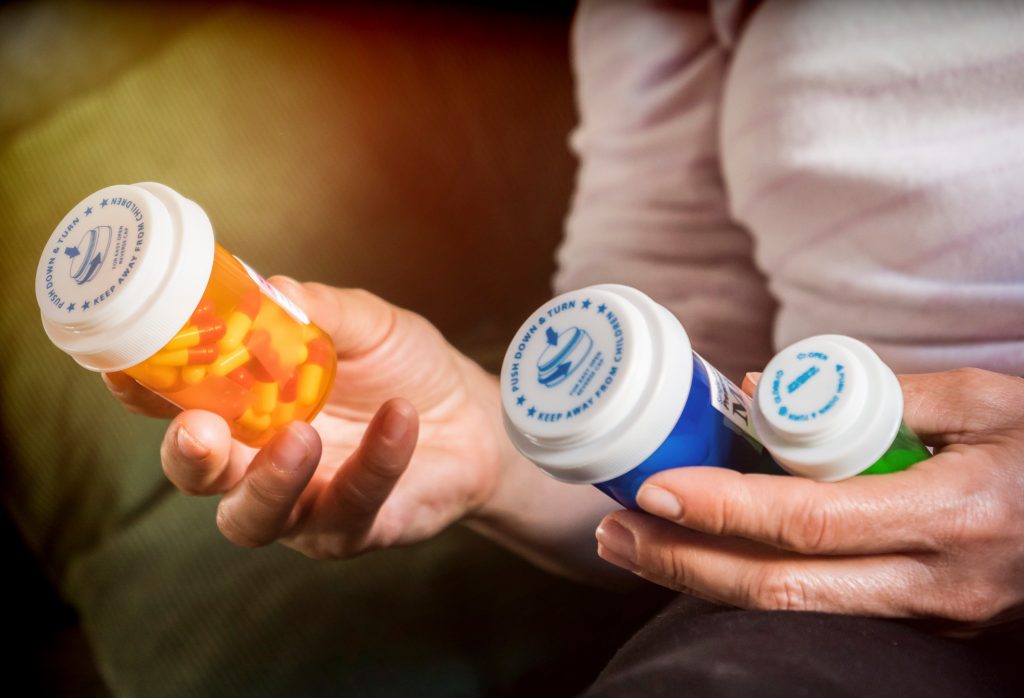
Not every addiction begins with illegal drug use. For many people, substance dependence starts in a doctor’s office, with a prescription meant to treat pain, anxiety, or attention issues.
Prescription drug misuse is one of the fastest-growing causes of addiction in the United States—and Florida is no exception. At James Club Treatment Center in Wilton Manors, we help people recover not only from street drugs, but also from prescription medications that have taken control of their lives.
Here’s what you need to know about the most addictive prescription drugs and how we can help.
1. Opioid Painkillers
Examples: Oxycodone (OxyContin), Hydrocodone (Vicodin), Morphine, Fentanyl
Prescribed for post-surgery recovery or chronic pain, opioids are powerful—but dangerously addictive. They create a euphoric high and lead to physical dependence quickly. Many heroin addictions begin with a legitimate prescription.
2. Benzodiazepines (Benzos)
Examples: Xanax, Ativan, Klonopin, Valium
These anti-anxiety medications are widely prescribed—but highly habit-forming. They cause sedation and calm, but withdrawal can lead to seizures, panic attacks, and even death. Long-term use rewires the brain and makes natural relaxation difficult.
3. Stimulants
Examples: Adderall, Ritalin, Concerta
Often prescribed for ADHD, stimulants increase focus and energy but are commonly misused by students and professionals. Long-term abuse can lead to paranoia, heart problems, and full-blown addiction.
4. Sleeping Medications
Examples: Ambien, Lunesta, Sonata
While they help people fall asleep short-term, these sedatives can quickly become addictive, especially when misused for anxiety or emotional escape.
5. Muscle Relaxers and Anticonvulsants
Examples: Soma, Gabapentin, Lyrica
These are increasingly used for off-label pain management, and while not classified as opioids or benzos, they can produce similar effects and addictive patterns when taken in large doses or mixed with other substances.
How Prescription Drug Addiction Happens
Most people don’t plan to misuse their medication. Addiction often begins with:
- Increased tolerance (needing more to get the same effect)
- Taking extra doses or using the drug “just in case”
- Using medication to manage emotions rather than physical symptoms
- Mixing with alcohol or other drugs to enhance the effects
Before long, the medication that was meant to help becomes a trap.
What to Watch For
If you or someone you love is prescribed one of these medications, look for warning signs:
- Running out of prescriptions early
- Seeing multiple doctors for the same condition (“doctor shopping”)
- Hiding use or lying about dosage
- Using pills to cope with stress, sadness, or boredom
- Withdrawal symptoms when skipping a dose
How James Club Can Help
At James Club Treatment Center in Wilton Manors, FL, we understand that prescription drug addiction is complex and often comes with shame, confusion, or denial.
Our program includes:
✅ Medication-Assisted Treatment (MAT) for safe detox and stabilization
✅ Spiritual and 12-Step Integration to rebuild purpose and identity
✅ Dual Diagnosis Support for co-occurring mental health issues
✅ Structured Phased Recovery in a highly supportive sober environment
✅ Compassionate care without judgment—because healing is our mission
Faith and Recovery Go Hand in Hand
Addiction is not a moral failure. It’s a spiritual illness that requires spiritual healing. At James Club, we offer a faith-based path to freedom, where clients reconnect with God, community, and themselves as they learn to live without substances.
Are You Struggling With a Prescription?
If you’ve been prescribed a medication that now feels like a burden—or if someone you love is showing signs of misuse—reach out today. Help is available. You’re not alone.