
How Treatment Courts in Broward County Work (And How To Get Placed in a Program)

For many people struggling with substance-related criminal charges, traditional incarceration may not address the root cause of the problem. That is one reason treatment courts in Broward County have become an important alternative within the criminal justice system. These specialized court programs focus on rehabilitation, accountability, treatment, and long-term recovery instead of punishment alone. At James Club Treatment Center, individuals facing addiction and co-occurring mental health challenges can access personalized treatment services that may complement court-ordered or voluntary recovery programs. Understanding the treatment court process can help individuals and families feel more prepared when exploring their options. Contact us today to learn more about how James Club prioritizes rehabilitation over incarceration. What Are Treatment Courts? Treatment courts are specialized court programs that focus on rehabilitation for individuals whose criminal behavior is connected to substance abuse, addiction, or mental health conditions. Rather than relying solely on incarceration, treatment courts combine: The overall goal is to help individuals break cycles of addiction and reduce repeat offenses. Treatment courts are often collaborative programs involving: Participants are typically required to follow strict treatment plans and attend regular court appearances while working toward sobriety and stability. Types of Treatment Courts in Broward County Broward County offers several problem-solving court programs designed to address different needs within the justice system. Common treatment court programs may include: Drug Court Drug court programs focus on individuals whose criminal charges are related to substance abuse or addiction. Participants may receive: Successful completion may reduce penalties or help individuals avoid incarceration depending on the case. Mental Health Court Mental health courts help individuals living with mental health disorders who become involved in the criminal justice system. Programs may include: DUI Court DUI courts focus on individuals with repeat driving under the influence offenses and substance abuse concerns. Treatment plans often combine: Veterans Treatment Court Veterans courts provide support for military veterans dealing with addiction, trauma, PTSD, or mental health challenges connected to legal issues. How Broward County Drug Court Programs Work While every case is unique, most treatment court programs in Broward County follow a structured multi-phase approach. Initial Screening and Eligibility Review After an arrest or criminal charge, individuals may be screened to determine whether they qualify for a treatment court program. Eligibility factors may include: Violent offenses or certain felony charges may limit eligibility in some cases. Clinical Assessment Participants often undergo professional assessments to evaluate: The assessment helps determine the appropriate level of care and supervision. Court Approval If someone meets eligibility requirements, the judge and legal team may approve placement into the treatment court program. Participation usually involves agreeing to strict rules and treatment requirements. Ongoing Treatment and Monitoring Participants typically attend: Judges often monitor progress closely through regular check-ins and reports from treatment providers. Graduation or Program Completion Successful completion may result in: Requirements for graduation vary depending on the specific program and individual progress. What Happens if Someone Violates Program Rules? Treatment courts are designed to encourage accountability as well as recovery. Participants are expected to comply with treatment plans and court requirements. Violations may include: Depending on the situation, consequences may involve: At the same time, treatment courts often recognize that relapse can be part of the recovery process. Some programs respond with adjusted treatment interventions instead of immediate expulsion. Benefits of Treatment Court Programs Treatment courts have become increasingly popular because they may provide better long-term outcomes than incarceration alone for individuals struggling with addiction. Potential benefits include: Access to Addiction Treatment Many participants receive structured treatment services they may not otherwise access on their own. Reduced Incarceration Successful completion may help individuals avoid jail or prison time. Lower Risk of Relapse and Reoffending Addressing underlying addiction and mental health conditions may reduce future legal problems. Improved Stability Participants often receive support for: Increased Accountability Frequent court appearances and supervision can help individuals remain focused on recovery goals. How To Get Placed in a Treatment Court Program Individuals interested in treatment court programs in Broward County typically begin the process through the criminal justice system after being charged with an offense. Common ways to pursue placement include: Speak With a Defense Attorney An attorney can help determine whether treatment court eligibility may apply to a specific case. Request Evaluation Through the Court In some situations, individuals may ask the court about diversion or treatment court opportunities during hearings. Participate in Screening Assessments Completing evaluations honestly and cooperatively may help demonstrate willingness to engage in treatment. Commit to Recovery Treatment courts are highly structured programs. Demonstrating motivation for treatment and recovery can be an important factor. The Importance of Addiction Treatment During Court Programs Court supervision alone is rarely enough to address addiction long-term. Lasting recovery often requires comprehensive treatment that focuses on both substance use and underlying emotional or psychological struggles. At James Club Treatment Center, treatment programs may help individuals participating in court-related recovery programs build healthier coping strategies and long-term stability. Treatment services may include: Many individuals involved in treatment courts also struggle with anxiety, depression, PTSD, or unresolved trauma. Treating these co-occurring conditions can play a major role in long-term success. Contact Us For Support If you or someone you love is navigating addiction, legal challenges, or treatment court requirements in Broward County, help is available. James Club Treatment Center in Wilton Manors offers personalized addiction treatment services designed to support long-term recovery, stability, and healing. Whether you are exploring treatment court options or simply seeking professional support for substance use, compassionate care can make a meaningful difference. Recovery is possible, and taking the first step toward treatment may help open the door to a healthier future. Contact James Club Treatment Center today to learn more about available treatment programs and recovery support services.
How Long Does Fentanyl Stay in Your System?
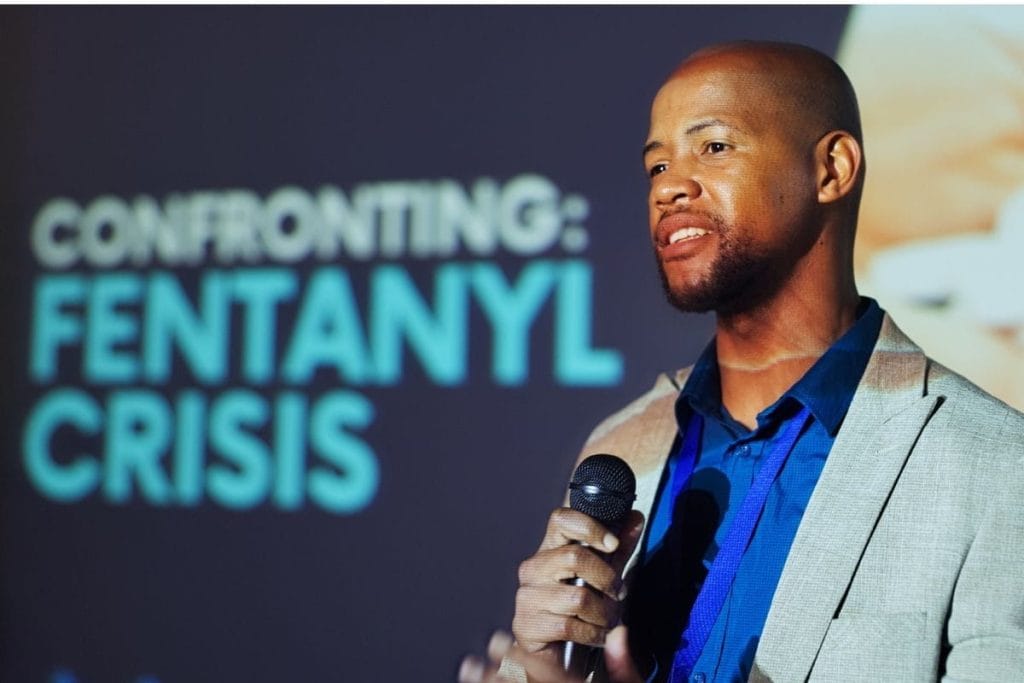
Originally developed for severe pain management, particularly after surgery or for advanced cancer patients, fentanyl has become increasingly associated with overdose deaths, addiction, and illicit drug use. Because of its potency, many people ask the same important question: how long does fentanyl stay in your system? The answer depends on several factors, including how often fentanyl is used, the amount taken, a person’s metabolism, overall health, and the type of drug test being used. While the effects of fentanyl may wear off relatively quickly, traces of the drug can remain detectable in the body for days or even longer in some cases. At James Club Treatment Center in Wilton Manors, individuals struggling with fentanyl addiction and opioid dependency can access personalized treatment programs designed to support long-term recovery and healing. Contact us today to learn more. What Is Fentanyl? Fentanyl is a synthetic opioid that is significantly stronger than morphine and heroin. In medical settings, prescription fentanyl may be used to treat severe pain under careful supervision. It is commonly available in forms such as: Illicit fentanyl, however, is often manufactured illegally and mixed into other substances such as heroin, cocaine, methamphetamine, or counterfeit pills. Many individuals unknowingly consume fentanyl because it is hidden in other drugs. This is one reason fentanyl overdoses have increased dramatically in recent years. Even tiny amounts can suppress breathing and become life-threatening. How Long Do the Effects of Fentanyl Last? The immediate effects of fentanyl may not last very long, but the drug can remain in the body well after those effects wear off. Short-term effects may include: Depending on the method of use, fentanyl’s noticeable effects may last anywhere from a few hours to longer in extended-release medical forms like patches. However, the body continues processing and eliminating fentanyl after the initial effects fade. How Long Does Fentanyl Stay in Your System? Fentanyl detection times vary from person to person. Several variables influence how long the drug remains detectable, including: People who use fentanyl regularly may retain the drug in their systems longer than occasional users because fentanyl can accumulate in fatty tissues. Below are common detection windows based on testing method. Fentanyl Detection Times by Drug Test Urine Tests Urine testing is one of the most common methods used to detect fentanyl. Fentanyl may typically remain detectable in urine for: Specialized opioid panels are often required because fentanyl may not appear on every standard opioid screening. Blood Tests Blood tests generally detect fentanyl for shorter periods. Fentanyl may remain detectable in blood for: Blood testing is more commonly used in medical or emergency settings. Saliva Tests Saliva tests may identify fentanyl relatively soon after use. Detection may last: Hair Follicle Tests Hair tests have the longest detection window. Fentanyl may remain detectable in hair follicles for: Hair testing is less commonly used but may appear in legal, employment, or specialized testing situations. Factors That Affect Fentanyl Detection Time No two people process fentanyl exactly the same way. Several factors influence how long it remains in the body. Frequency of Use Repeated fentanyl use may cause the drug to build up in body tissues, extending detection times. Method of Use Injecting, smoking, snorting, or using fentanyl patches may affect how quickly the drug enters and leaves the body. Metabolism Individuals with faster metabolisms may process fentanyl more quickly than others. Body Composition Because fentanyl is fat-soluble, it may remain in the body longer in individuals with higher body fat percentages. Liver and Kidney Function The liver and kidneys help process and eliminate substances from the body. Impaired organ function may slow elimination times. Can You Speed Up the Elimination Process? Many people search for ways to “flush” fentanyl out of their system quickly, especially before a drug test. However, there is no guaranteed or medically safe shortcut for rapidly eliminating fentanyl from the body. Common myths involving detox drinks, excessive water intake, or home remedies are often ineffective and sometimes dangerous. The safest approach is allowing the body to naturally process the drug while receiving proper medical care and support if needed. For individuals struggling with fentanyl addiction, medically supervised detox and professional treatment are strongly recommended. Fentanyl Withdrawal Symptoms As fentanyl leaves the body, withdrawal symptoms can begin quickly, especially for individuals with opioid dependency. Withdrawal symptoms may include: Although fentanyl withdrawal is not usually life-threatening on its own, symptoms can become extremely uncomfortable and difficult to manage without support. Cravings and emotional distress during withdrawal are common reasons people relapse shortly after attempting to quit. The Dangers of Fentanyl Addiction Fentanyl addiction can develop rapidly because of the drug’s potency. Even small amounts may lead to overdose, especially when fentanyl is mixed into other substances without the user’s knowledge. Signs of fentanyl addiction may include: Because fentanyl is so powerful, overdose risks remain extremely high—even after periods of short-term abstinence when tolerance decreases. Treatment Options for Fentanyl Addiction Recovery from fentanyl addiction is possible with the right treatment and support system. Professional addiction treatment can help individuals safely detox while addressing the emotional and psychological factors contributing to substance use. At James Club Treatment Center, treatment programs are personalized to meet each client’s needs and recovery goals. Medical Detox Support Detox programs help individuals safely manage withdrawal symptoms while beginning recovery. Medication-Assisted Treatment (MAT) Certain medications may help reduce cravings and withdrawal symptoms during opioid recovery. Individual Therapy Therapy sessions help individuals address trauma, stress, mental health concerns, and behavioral patterns connected to addiction. Group Counseling Group support can provide accountability, encouragement, and connection during recovery. Dual Diagnosis Treatment Many individuals with opioid addiction also struggle with anxiety, depression, PTSD, or other mental health disorders. Treating both conditions together often improves recovery outcomes. Why Choose James Club Treatment Center? Located in Wilton Manors near Fort Lauderdale, James Club Treatment Center provides compassionate addiction treatment for individuals seeking recovery from fentanyl and other substances. The center focuses on individualized care, evidence-based therapies, and long-term recovery support in a safe and supportive
Does Kratom Show Up On a Drug Test?
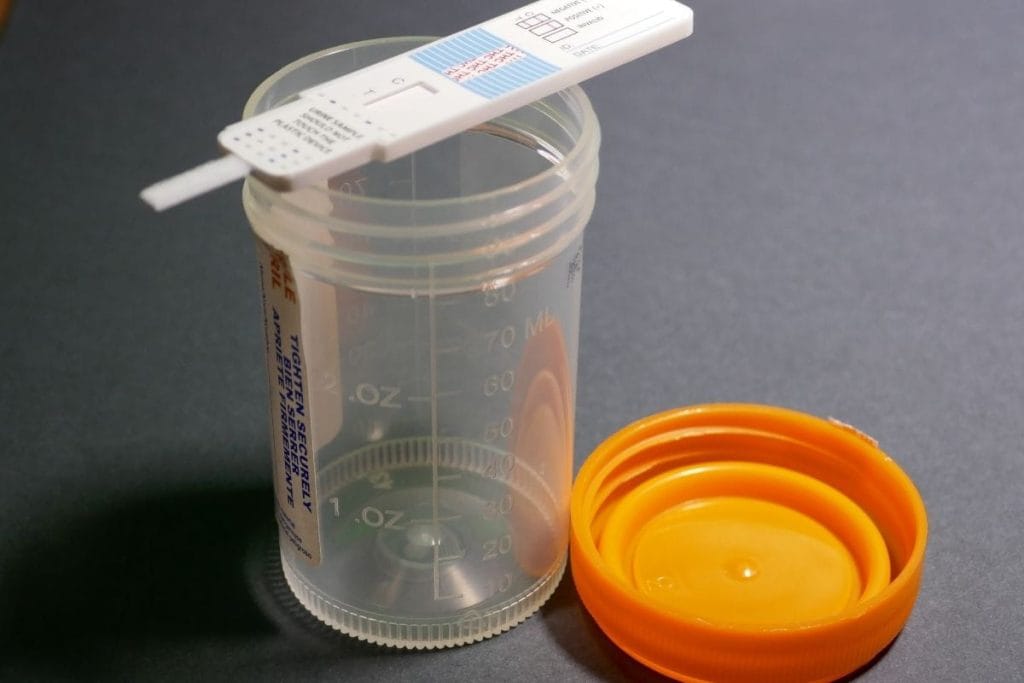
Kratom has become increasingly popular in recent years, especially among people looking for alternatives to opioids, ways to manage pain, or substances that may produce stimulating or relaxing effects. As its use has grown, so have questions surrounding drug testing, legality, safety, and addiction. One of the most common questions people ask is: does kratom show up on a drug test? The short answer is: sometimes. Standard drug tests typically do not screen for kratom, but specialized tests can detect it. The answer depends on the type of drug test being used, the reason for testing, and how frequently kratom is being consumed. At James Club Treatment Center in Wilton Manors, individuals struggling with kratom misuse or other substance-related challenges can access personalized addiction treatment and recovery support in a compassionate setting. Understanding kratom and the risks associated with it is often the first step toward making informed decisions about treatment and recovery. What Is Kratom? Kratom is a tropical plant native to Southeast Asia. Its leaves contain active compounds called mitragynine and 7-hydroxymitragynine, which interact with opioid receptors in the brain. Depending on the dosage, kratom can produce different effects: Kratom is commonly sold as: Because kratom is often marketed as a natural supplement, some people underestimate its risks. However, repeated use can lead to tolerance, dependency, and withdrawal symptoms. Does Kratom Show Up on Standard Drug Tests? In most cases, kratom does not appear on standard 5-panel drug tests. Traditional employment drug screenings are generally designed to detect substances such as: Since kratom contains unique compounds that differ from traditional opioids, it usually requires a separate screening panel to be identified. However, this does not mean kratom is completely undetectable. Specialized drug tests can specifically screen for kratom alkaloids, including mitragynine. Employers, treatment centers, medical professionals, law enforcement agencies, or probation programs may request expanded drug panels that include kratom testing. What Types of Drug Tests Can Detect Kratom? Certain advanced or specialized drug tests can identify kratom in the body. These may include: Urine Tests Urine testing is the most common method used to detect kratom. Specialized urine tests can identify kratom metabolites for several days after use. Blood Tests Blood tests may detect kratom for a shorter period of time, usually within the first several hours or days after consumption. Saliva Tests Saliva testing for kratom is less common, but some specialized screenings may identify recent use. Hair Follicle Tests Hair testing has the potential to detect substances for much longer periods, sometimes up to 90 days. However, kratom hair testing is relatively uncommon compared to urine testing. How Long Does Kratom Stay in Your System? There is no universal answer because several factors influence how long kratom remains detectable. Detection windows can vary depending on: For occasional users, kratom may leave the body more quickly. Chronic or heavy users may retain detectable levels longer due to buildup in the body. Some reports suggest kratom may remain detectable in urine for up to a week or longer in frequent users. However, detection times can vary significantly from person to person. Why Do Some People Use Kratom? People use kratom for a variety of reasons. Some individuals take it recreationally, while others use it to self-manage pain, anxiety, fatigue, or opioid withdrawal symptoms. Common reasons people use kratom include: Unfortunately, self-medicating with kratom can sometimes create new substance use issues. What may begin as occasional use can gradually become dependency or addiction. Is Kratom Addictive? Yes, kratom can be addictive. While some people view it as a safer alternative to opioids, kratom still affects the brain’s reward system and can lead to physical and psychological dependence. Over time, users may begin needing larger amounts to achieve the same effects. When they stop using kratom, withdrawal symptoms may appear. Common signs of kratom addiction may include: Like other addictive substances, kratom misuse can interfere with work, relationships, emotional health, and overall quality of life. Kratom Withdrawal Symptoms People who stop using kratom after regular use may experience withdrawal symptoms similar to mild opioid withdrawal. Symptoms may include: Withdrawal experiences can vary depending on the severity of use and whether other substances are involved. Because withdrawal can be uncomfortable and emotionally overwhelming, professional treatment support may help individuals manage symptoms more safely and successfully. When to Seek Professional Help for Kratom Use Many people do not realize they have developed a dependency until kratom begins affecting daily life. If someone feels unable to stop using kratom despite negative consequences, professional treatment may be beneficial. Signs it may be time to seek help include: Addiction treatment programs can help individuals address both the physical and emotional aspects of substance use. Treatment Options for Kratom Addiction Recovery from kratom addiction is possible with the right support system and treatment approach. At James Club Treatment Center, individuals receive personalized care designed to address their unique needs and recovery goals. Treatment may include: Medical Detox Support Detox programs help individuals safely manage withdrawal symptoms while transitioning away from substance use. Individual Therapy Therapy can help uncover the emotional triggers, stressors, or mental health conditions contributing to substance use. Group Counseling Peer support and group therapy can help individuals build accountability and connection during recovery. Dual Diagnosis Treatment Many people struggling with addiction also experience anxiety, depression, trauma, or other mental health concerns. Treating both conditions together can improve long-term recovery outcomes. Relapse Prevention Planning Learning healthy coping skills and relapse prevention strategies is an important part of maintaining sobriety after treatment. Why Choose James Club Treatment Center? James Club Treatment Center provides addiction treatment services in a supportive and welcoming environment near Fort Lauderdale. Located in Wilton Manors, the center focuses on helping individuals build sustainable recovery through individualized care and evidence-based treatment approaches. Clients receive support for substance use disorders, co-occurring mental health conditions, relapse prevention, and long-term wellness planning. Whether someone is struggling with kratom, alcohol, opioids, prescription medications, or other substances, treatment programs are designed to meet individuals where
How to Help an Alcoholic Spouse

Watching someone you love struggle with alcohol use can be incredibly difficult, especially when that person is your spouse. You may feel torn between wanting to help, protecting your own well-being, and not knowing what to say or do next. If you’ve found yourself searching how to help an alcoholic spouse, you’re not alone. At James Club Treatment Center, we work with individuals and families navigating these exact challenges. Supporting a spouse through addiction isn’t easy, but understanding what helps can make a meaningful difference. To learn more about effective alcohol addiction treatment options in Southern Florida, contact us today. Recognizing the Signs of Alcohol Use Disorder Before you can effectively help your spouse, it’s important to recognize when alcohol use has become a problem. Sometimes the signs are obvious, but in many cases, they develop gradually. You might notice patterns such as: These behaviors don’t necessarily mean your spouse wants to hurt you or the relationship—but they can signal that alcohol is taking on a larger role than intended. Start With an Honest (and Calm) Conversation One of the most important steps in helping an alcoholic spouse is opening the door to communication. This can feel intimidating, especially if past conversations have led to defensiveness or conflict. The key is to approach the conversation with empathy rather than blame. Instead of focusing on what they’re doing wrong, focus on how their behavior is affecting you and the relationship. For example, you might say: Timing matters too. Try to have this conversation when your spouse is sober and when emotions aren’t already running high. What Helps (and What Doesn’t) When learning how to help an alcoholic spouse, it’s just as important to understand what not to do. Sometimes, well-meaning actions can unintentionally make the situation worse. Here are a few helpful approaches to keep in mind: At the same time, try to avoid: These patterns can unintentionally enable the cycle of addiction rather than interrupt it. Avoiding Enabling Behaviors Enabling often comes from a place of love, but it can make it easier for addiction to continue. This might include things like calling in sick for your spouse, covering financial consequences, or minimizing the severity of the problem. Instead, focus on allowing natural consequences to occur while maintaining compassion. This doesn’t mean withdrawing support—it means shifting how that support is given. Creating this balance can be challenging, but it’s an important step in encouraging accountability and change. Taking Care of Yourself Supporting a spouse with alcohol use disorder can be emotionally draining. It’s easy to become so focused on helping them that you neglect your own needs. But your well-being matters too. Taking care of yourself might include: When you prioritize your own mental and emotional health, you’re better equipped to navigate the challenges that come with supporting your spouse. When It’s Time to Suggest Treatment There may come a point where it becomes clear that your spouse needs more support than you can provide alone. This is where professional treatment can play a critical role. Treatment options can vary depending on the severity of the situation, but often include: Bringing up treatment can be a sensitive conversation. It’s helpful to frame it as an opportunity for support rather than a punishment or ultimatum. At James Club Treatment Center, treatment plans are personalized to meet each individual where they are. This approach helps create a supportive environment where real, lasting change can begin. Understanding That Change Takes Time Recovery is not an overnight process. Even when someone is willing to seek help, progress often comes with ups and downs. There may be moments of improvement followed by setbacks. Patience, consistency, and realistic expectations are key. While you can support your spouse, it’s important to recognize that their journey is ultimately their own. Focusing on small steps forward rather than immediate perfection can help both of you stay grounded during the process. Building a Healthier Path Forward Helping an alcoholic spouse isn’t just about stopping drinking—it’s about rebuilding trust, communication, and stability within the relationship. This may involve: With time and the right support, many couples are able to move forward in a healthier and more connected way. Contact Us For Support If you’re trying to figure out how to help an alcoholic spouse, you don’t have to do it alone. Support is available for both you and your partner. James Club Treatment Center provides compassionate, individualized care for those struggling with alcohol use and related challenges. Located in Wilton Manors, Florida, the center offers a supportive environment where individuals can begin the recovery process with dignity and guidance. Whether you’re looking for advice, exploring treatment options, or ready to take the next step, reaching out can make all the difference. Contact James Club Treatment Center today to learn more about how to support your spouse—and yourself—on the path to recovery.
Can Narcan Be Used for Alcohol?

When someone is experiencing a medical emergency related to substance use, knowing what to do in the moment can be life-saving. One of the most widely recognized emergency medications today is Narcan—but many people wonder: can Narcan be used for alcohol? The short answer is no—Narcan is not designed to treat alcohol overdose. However, the confusion is understandable. Both alcohol and opioids can slow breathing and cause dangerous, even fatal, situations. Because Narcan is known for reversing overdoses, it’s often assumed it can be used in all substance-related emergencies. Understanding how Narcan works is important for keeping people safe. At James Club Treatment Center, education is a key part of prevention and recovery. Knowing the difference between substances and their treatments can help individuals and families respond more effectively in critical moments. What Is Narcan and How Does It Work? Narcan is the brand name for Naloxone, a medication that rapidly reverses the effects of opioid overdoses. It works by binding to opioid receptors in the brain and blocking the effects of opioids like heroin, fentanyl, and prescription painkillers. When someone overdoses on opioids, their breathing can slow or stop entirely. Narcan helps restore normal breathing by essentially “kicking” opioids off those receptors. Because of how effective it is, Narcan has become a critical tool in emergency response and is often carried by first responders, healthcare providers, and even community members. Can Narcan Be Used for Alcohol? This is where it’s important to be clear: Narcan does not work for alcohol overdose. Alcohol affects the body differently than opioids. While both can depress the central nervous system, alcohol does not interact with opioid receptors in the same way. Since Narcan specifically targets opioid receptors, it has no effect on alcohol in the body. If someone is experiencing alcohol poisoning, administering Narcan will not reverse the symptoms. In these situations, immediate medical attention is still necessary. That said, if there is any chance opioids may also be involved, Narcan can still be used as a precaution—because opioid overdoses are time-sensitive and life-threatening. What Happens During Alcohol Poisoning? Alcohol poisoning occurs when someone consumes a large amount of alcohol in a short period of time. This can overwhelm the body’s ability to process it, leading to dangerous levels of intoxication. Unlike typical intoxication, alcohol poisoning can suppress critical functions such as breathing, heart rate, and body temperature. Signs of alcohol poisoning may include: These symptoms require immediate medical attention. Alcohol poisoning is a serious emergency and should never be ignored. Why the Confusion Between Narcan and Alcohol? The confusion often comes from the similarities between opioid overdose and alcohol poisoning. In both cases, a person may appear unconscious, have slowed breathing, or be unresponsive. Because Narcan is widely known as an “overdose reversal drug,” it’s easy to assume it applies to all substances. However, the underlying mechanisms are very different. In some cases, individuals may have both alcohol and opioids in their system. This is known as polysubstance use, and it increases the risk of overdose significantly. In these situations, Narcan can still help reverse the opioid portion of the overdose—but it will not address the effects of alcohol. Medications Used for Alcohol Use Disorder While Narcan isn’t used for alcohol, there are medications specifically designed to help individuals reduce or stop drinking. One of the most commonly used options is Naltrexone. Although it’s in the same general class as naloxone, naltrexone is used differently. It works by reducing the pleasurable effects of alcohol and helping to decrease cravings over time. Other medications may also be used depending on the individual’s needs, including those that help manage withdrawal symptoms or support long-term recovery. These medications are typically part of a broader treatment plan that includes therapy, support, and lifestyle changes. What To Do in an Emergency If someone appears to be experiencing an overdose or alcohol poisoning, the most important step is to act quickly. Even if you’re unsure what substance is involved, it’s better to respond than to wait. Here’s what to do: If opioids may be involved, administering Narcan can still be helpful. It won’t harm the person if opioids are not present, but it could save their life if they are. The Importance of Treatment and Prevention Emergency response is critical—but long-term recovery requires more than crisis intervention. Whether someone is struggling with alcohol, opioids, or both, ongoing treatment is essential for lasting change. Substance use often develops over time and is influenced by physical, emotional, and environmental factors. Addressing these underlying issues is key to preventing future emergencies. At James Club Treatment Center, treatment is designed to support the whole person—not just the symptoms. With individualized care plans and a supportive environment, individuals can begin to build a healthier, more stable future. Contact Us For Support If you or someone you love is struggling with alcohol or substance use, understanding your options is the first step toward change. While Narcan can save lives in opioid emergencies, recovery requires ongoing support and care. James Club Treatment Center provides compassionate, personalized treatment for individuals facing addiction. Located in Wilton Manors, Florida, the center offers a safe and supportive environment to begin the recovery journey. You don’t have to wait for a crisis to take action. Reach out today to learn more about treatment options and start moving toward a healthier, more balanced life.