If you’ve been researching sober living vs halfway house options, you’ve likely come across both terms and wondered what the difference is. While they may seem similar on the surface, sober living homes and halfway houses serve different purposes, operate under different structures, and are designed for different stages of recovery.
Understanding these differences can help individuals and families make more informed decisions about what type of support is needed after treatment.
At James Club Treatment Center, we offer sober living near Fort Lauderdale. Call us now at 954-445-0430 or verify your insurance.
What Is a Sober Living Home?
A sober living home is a structured, substance-free living environment designed for individuals who are committed to maintaining sobriety after completing treatment. These homes are often privately operated and provide a supportive, community-based setting where residents can continue building healthy habits.
Sober living homes are typically less restrictive than inpatient rehab but still offer accountability. Residents are expected to follow house rules, which often include maintaining sobriety, attending recovery meetings, contributing to household responsibilities, and respecting other residents.
One of the key benefits of sober living is the balance it provides. Individuals can return to work, attend school, and rebuild their lives while still having the support of a recovery-focused environment.
What Is a Halfway House?
A halfway house is also a transitional living environment, but it is usually more structured and often connected to the criminal justice system. Many halfway houses serve individuals who are transitioning out of incarceration, court-ordered treatment, or other supervised programs.
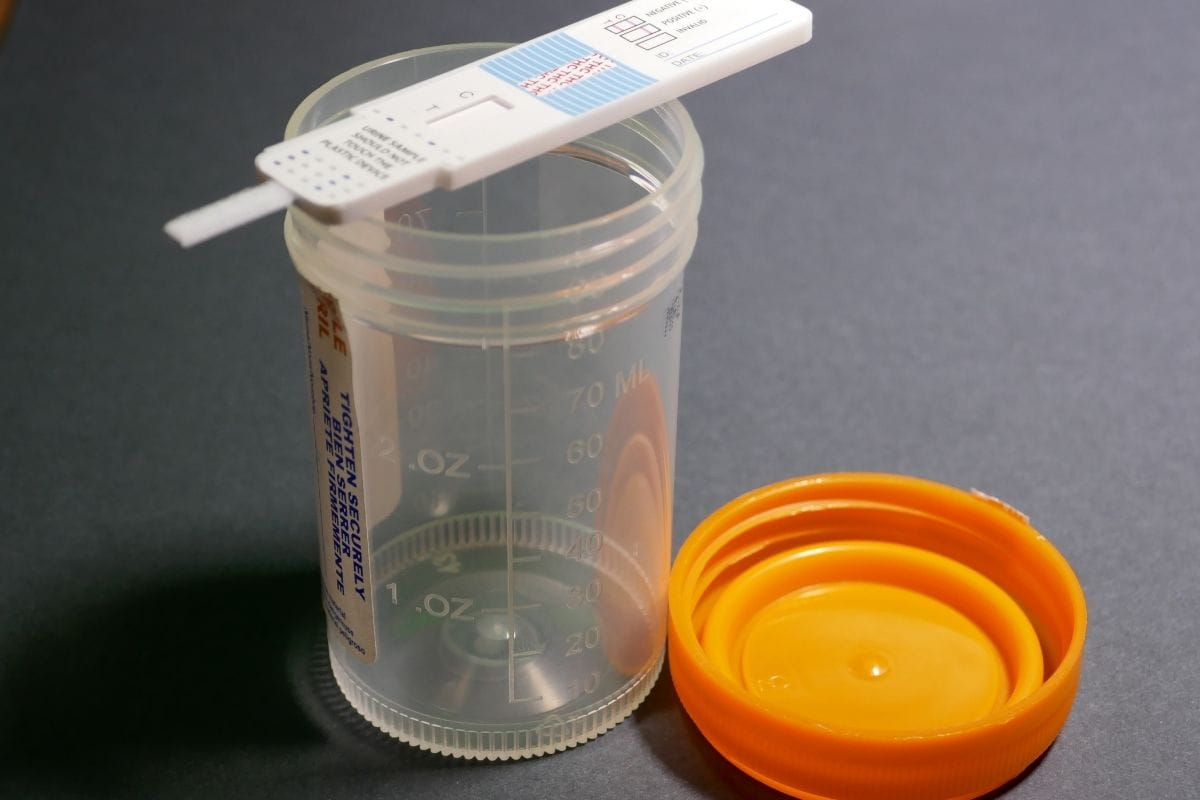
Halfway houses are typically government-funded or state-regulated and tend to have stricter rules and oversight. Residents may be required to follow curfews, attend mandatory programs, submit to drug testing, and comply with legal or probation-related requirements.
Unlike sober living homes, halfway houses often have a defined length of stay and may be part of a mandated recovery or reintegration plan.
Key Differences Between Sober Living vs Halfway Houses
While both options support recovery, the differences between sober living homes vs halfway houses are important to understand. These differences often determine which environment is the best fit for an individual’s situation.
Here are some of the main distinctions:
- Level of Structure:
Halfway houses tend to have stricter rules and closer supervision, while sober living homes offer more independence and flexibility. - Purpose and Population:
Halfway houses often serve individuals transitioning from incarceration or court-ordered programs. Sober living homes are typically chosen voluntarily by individuals leaving rehab. - Length of Stay:
Halfway houses may have a set duration, while sober living homes often allow residents to stay as long as they are meeting expectations and benefiting from the environment. - Cost and Funding:
Halfway houses are often publicly funded or subsidized, whereas sober living homes are usually privately paid. - Daily Life:
Sober living residents often have more freedom to work, socialize, and manage their schedules, while halfway house residents may have more structured daily routines.
Understanding these differences can help individuals choose the environment that best supports their recovery goals.
Which Option Is Better for Recovery?
There isn’t a one-size-fits-all answer when it comes to choosing between a sober living home and a halfway house. The right choice depends on an individual’s needs, history, and level of independence in recovery.
For someone who has completed an addiction treatment program and is motivated to maintain sobriety, a sober living home often provides the right balance of support and independence. It allows individuals to practice real-world responsibilities while staying connected to a recovery community.
On the other hand, individuals who require more structure, accountability, or legal supervision may benefit more from a halfway house environment.
In many cases, people move through both types of environments at different stages of recovery. What matters most is finding a setting that supports long-term stability and growth.
The Role of Aftercare in Long-Term Sobriety
Recovery doesn’t stop when treatment ends. In fact, the transition period after rehab is often one of the most vulnerable times for relapse. That’s why aftercare planning—including housing, therapy, and ongoing support—is so important.
Both sober living homes and halfway houses can play a role in aftercare, but they are most effective when combined with additional support such as:
- Individual therapy or counseling
- Group therapy or peer support meetings
- Relapse prevention planning
- Life skills development
At James Club Treatment Center, aftercare is not treated as an afterthought. The goal is to help each individual create a sustainable recovery plan that includes the right environment, support system, and resources needed for long-term success.
Why Environment Matters in Recovery
One of the most overlooked aspects of recovery is environment. Returning to a setting that includes triggers, unhealthy relationships, or easy access to substances can make it much harder to stay sober.
Supportive housing options like sober living homes and halfway houses provide a buffer during this transition. They offer a space where individuals can focus on recovery, build routines, and develop confidence in their ability to maintain sobriety.
Being surrounded by others who are also committed to recovery can create a sense of accountability and shared understanding that is difficult to replicate elsewhere.
Begin Addiction Treatment in South Florida Today
If you or someone you love is navigating life after addiction treatment, choosing the right next step is crucial. Understanding the difference between sober living and halfway houses is just one part of building a strong foundation for recovery.
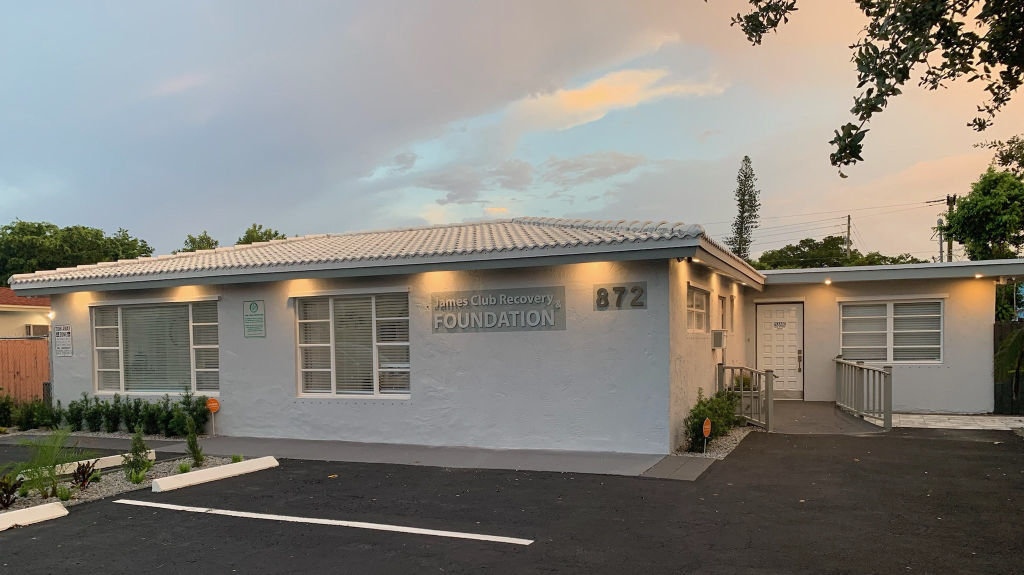
James Club Treatment Center, also known as James Club Recovery, offers personalized treatment and aftercare support designed to meet individuals where they are. Located in Wilton Manors, Florida, the center focuses on helping clients transition from treatment into sustainable, long-term recovery.
Whether you’re exploring treatment options or planning your next step after rehab, support is available. Reach out today to learn more about how James Club Treatment Center can help you move forward with confidence.